Damage to a shared home
The building had been damaged by shelling before, but Inna described this as the worst damage it had sustained.
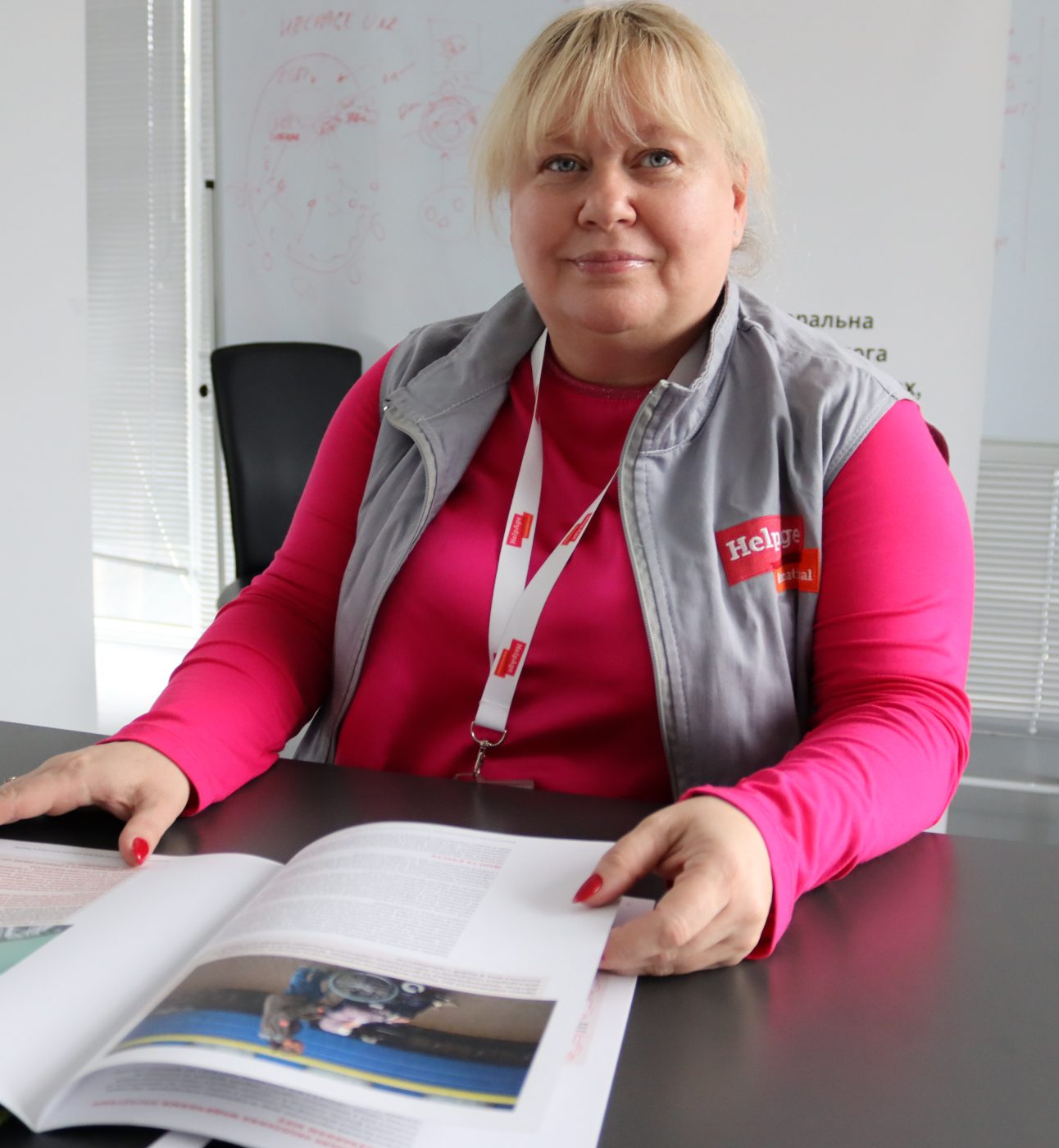
“It is difficult because equipment has been damaged, and we have lost the place where the team worked together every day, where our beneficiaries came, and where the core of our volunteer team, made up of older people, used to meet,” she said in the immediate aftermath.
Within an hour of the attack, staff and volunteers began arriving to collect broken glass, board up windows and find what equipment had survived.
They have since insulated the window openings and carried out essential temporary work. More substantial repairs are on hold because of the risk of further damage.
Relocating within the city offers little reassurance, Inna explains.
Some people might say that we should relocate. But I would say this: there are no safe places in Zaporizhzhia at the moment.
So we are staying where we are. The people who need support and our volunteers are used to us being here.
The team follows safety procedures during air raid alerts and has access to shelter. But the continuing danger means staff and volunteers cannot be guaranteed safety.
A reason to keep coming
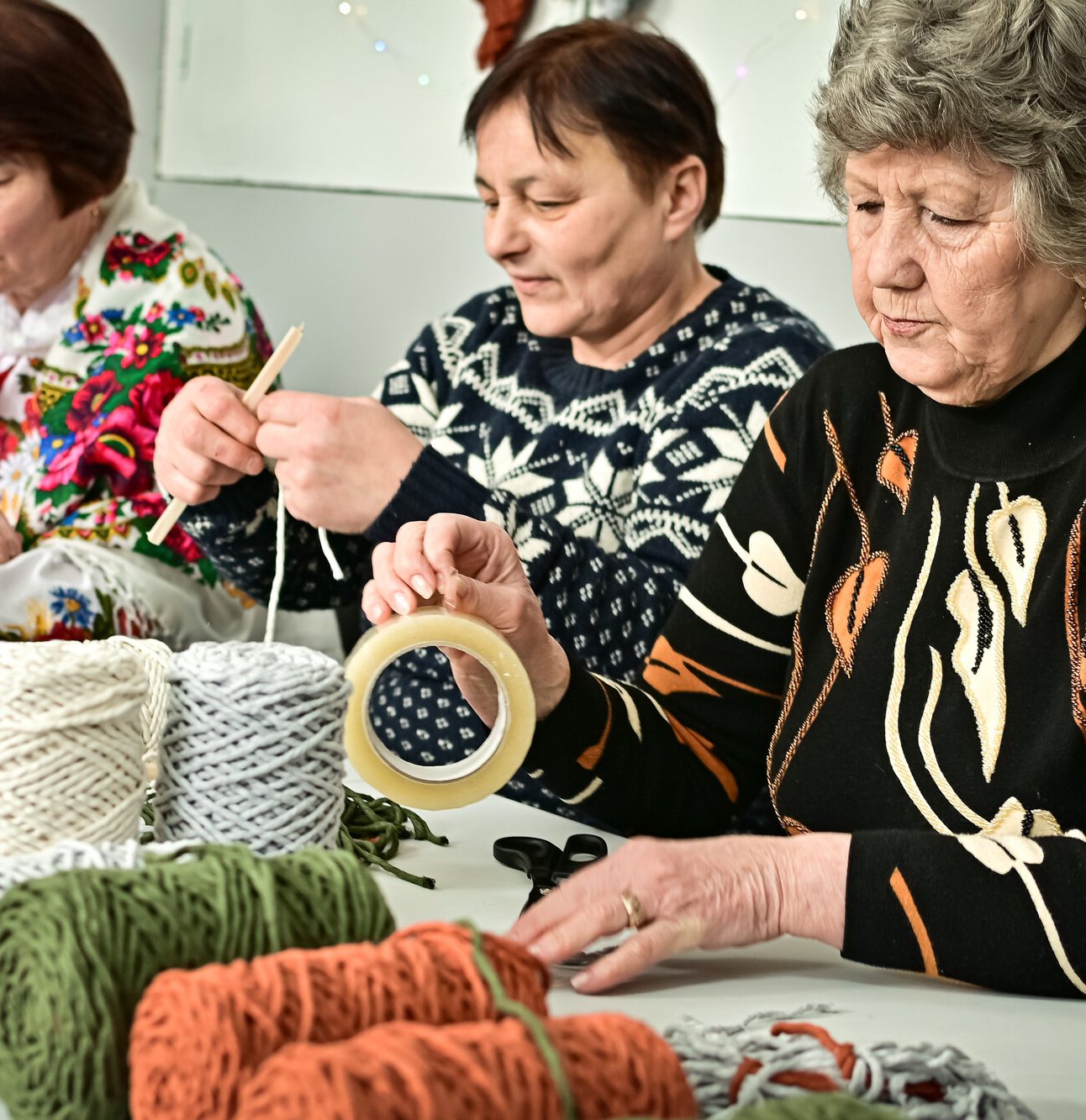
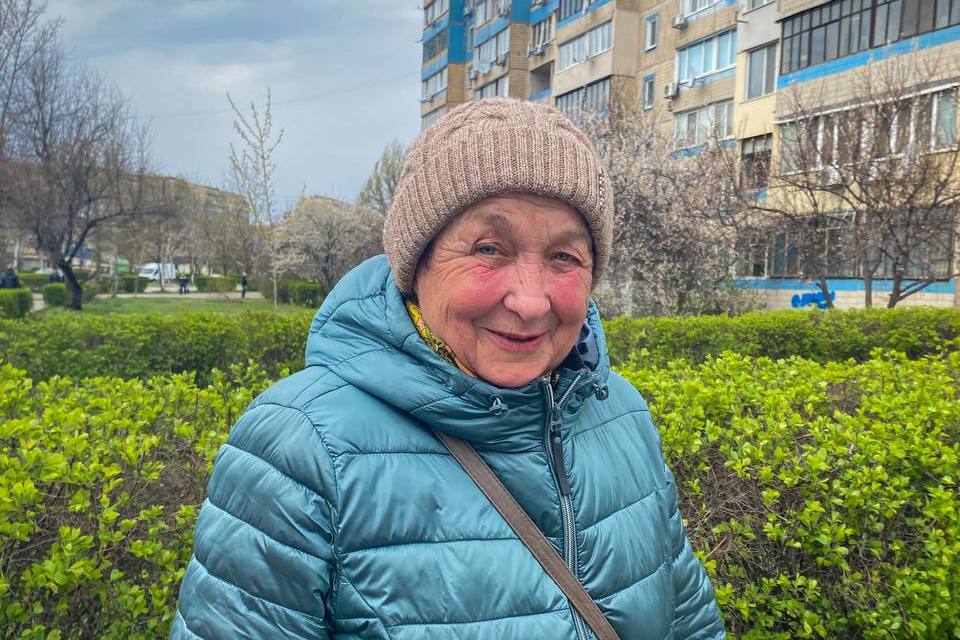
For older volunteers like Ivan and Olha, the offices of Memory 86 remain an important part of daily life, despite the damage.
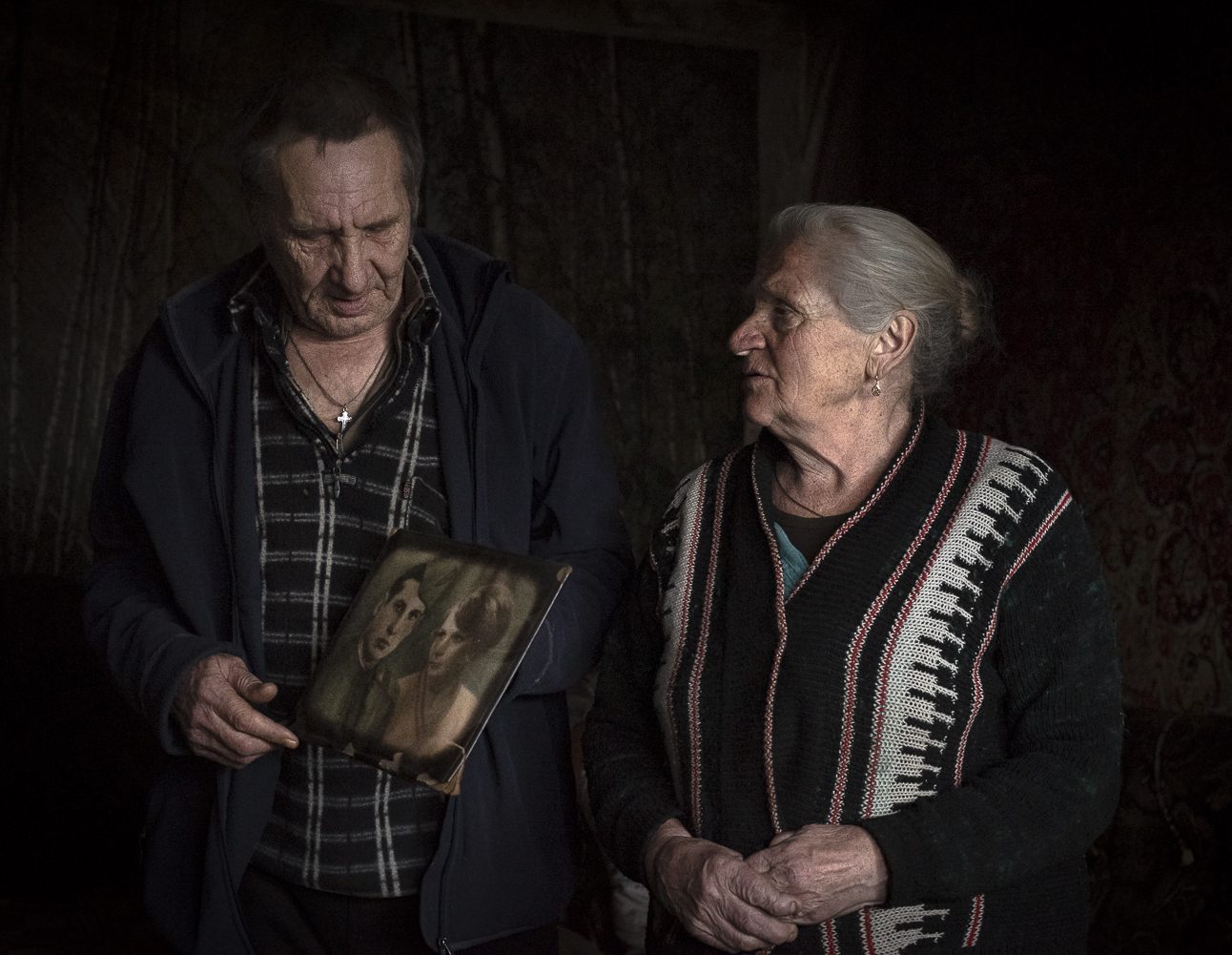
Ivan, 67, comes every day. He looks after Musia, the hub’s cat, and helps keep the space tidy. Since the attack, he has been sorting through boxes of stationery, souvenirs and other belongings collected after the blast. His wife Olha, 68, often brings homemade treats for the team.
The couple live on a high floor, where frequent air raid alerts make staying at home frightening and exhausting. At the hub, they have company and feel needed. Helping gives them a sense of control amid the uncertainty.
They call it their “headquarters”. The damage has only strengthened their determination to keep coming.
Keeping the hub warm and welcoming
With winter approaching, Memory 86 needs flexible funding to keep the hub usable and support the people working there.
The temporary repairs have left the rooms dark and difficult to heat. The team needs additional heaters, backup power and lighting to make the space warm and welcoming, as well as individual first-aid kits.
For Inna, keeping the office open means preserving the support and connections people have built there.
Our windows are boarded up, but our doors are open. Buildings can be repaired, but people are more fragile, and I am more focused on helping them recover. For me, that is what matters most.
Supporting the people who provide support
For the wider team, working under constant threat takes a toll. With connections provided by HelpAge, Memory 86 is seeking psychological support other Ukrainian organisations. Older team members also need opportunities to spend time in safer regions, away from the constant pressure.
HelpAge has also offered workspace at its Dnipro office and is working with the ECHO consortium to support measures to improve the team’s safety when travelling.