Building a locally led movement for older people’s rights in Ukraine

Published

In the context of war and recovery in Ukraine, locally led organisations and older people’s groups are shaping support around community realities, helping older people access services, stay connected and have a say in decisions that affect their lives. 

As communities respond to ongoing challenges, there is growing understanding that support for older people works best when it is shaped by people and organisations who know local realities best.

Local organisations take the lead

With support from HelpAge International in Ukraine, civil society organisations, charitable organisations and older people’s groups have come together to discuss how they can work together, share experience and strengthen their voice on issues affecting older people. The process builds on the work already being done by organisations and community groups across Ukraine. 

Around 20 national and regional organisations took part in a survey about their needs, priorities and interest in future cooperation. Many said they would like to be part of a national network where organisations can exchange knowledge, support each other and work together to promote older people’s rights. 

Creating a national network is an opportunity to unite our efforts around a shared goal. Every organisation has its own experience and understanding of the needs of older people in its community. However, no single organisation can address all the challenges faced by older people on its own.

Halyna Kharlamova, Chair of the NGO “Centre for Humanitarian Assistance "Volunteer-68"

Older people leading change in their communities 

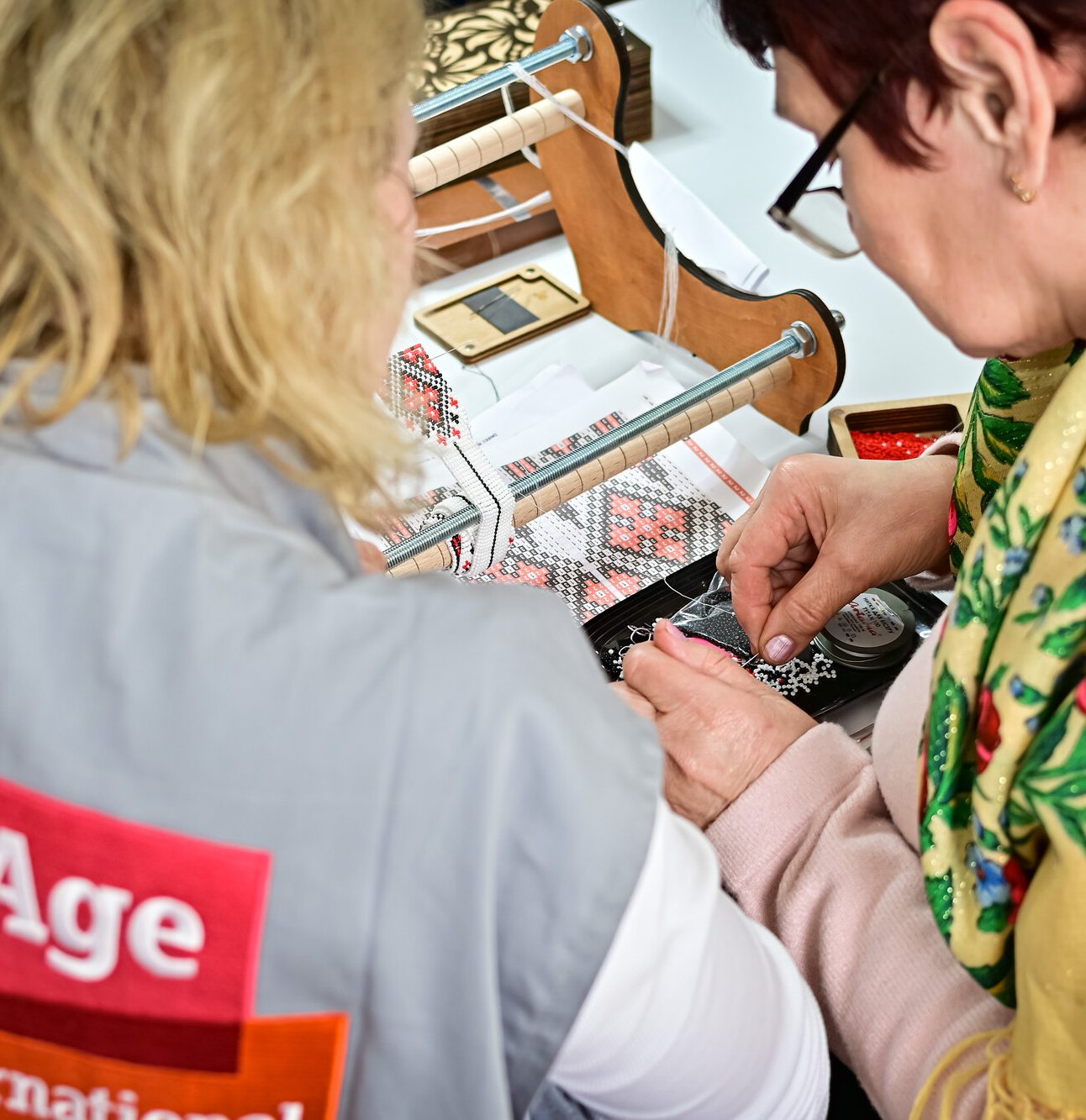
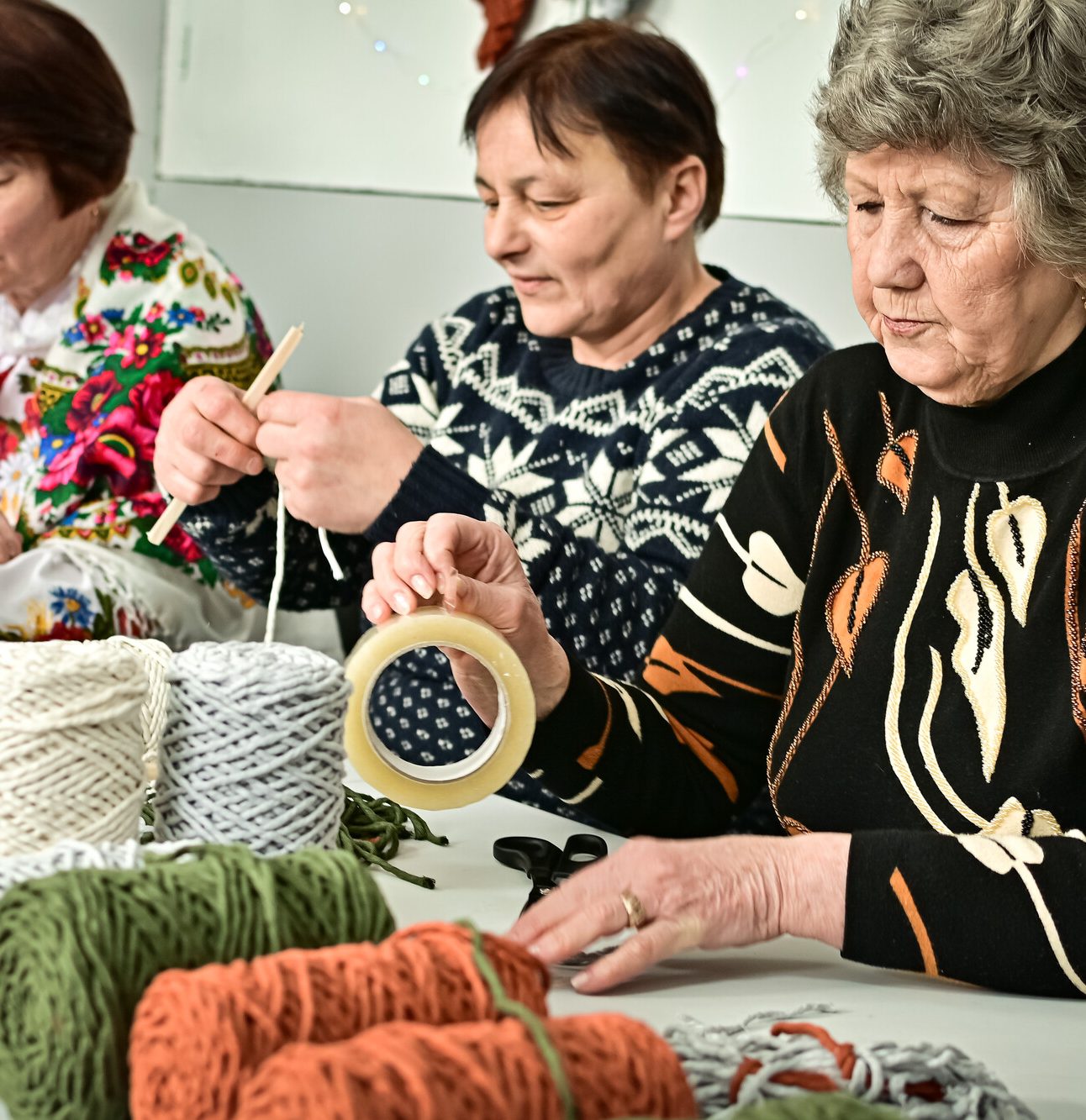
The process also included 17 older people’s initiative groups from six regions of Ukraine. Created through Community Safe Spaces, these groups have continued their activities after earlier projects ended, showing the commitment and leadership of older people in their communities. Two groups have since registered as civil society organisations: Public Atmosphere in Stryi and World Without Ageism in Kolomyia. 

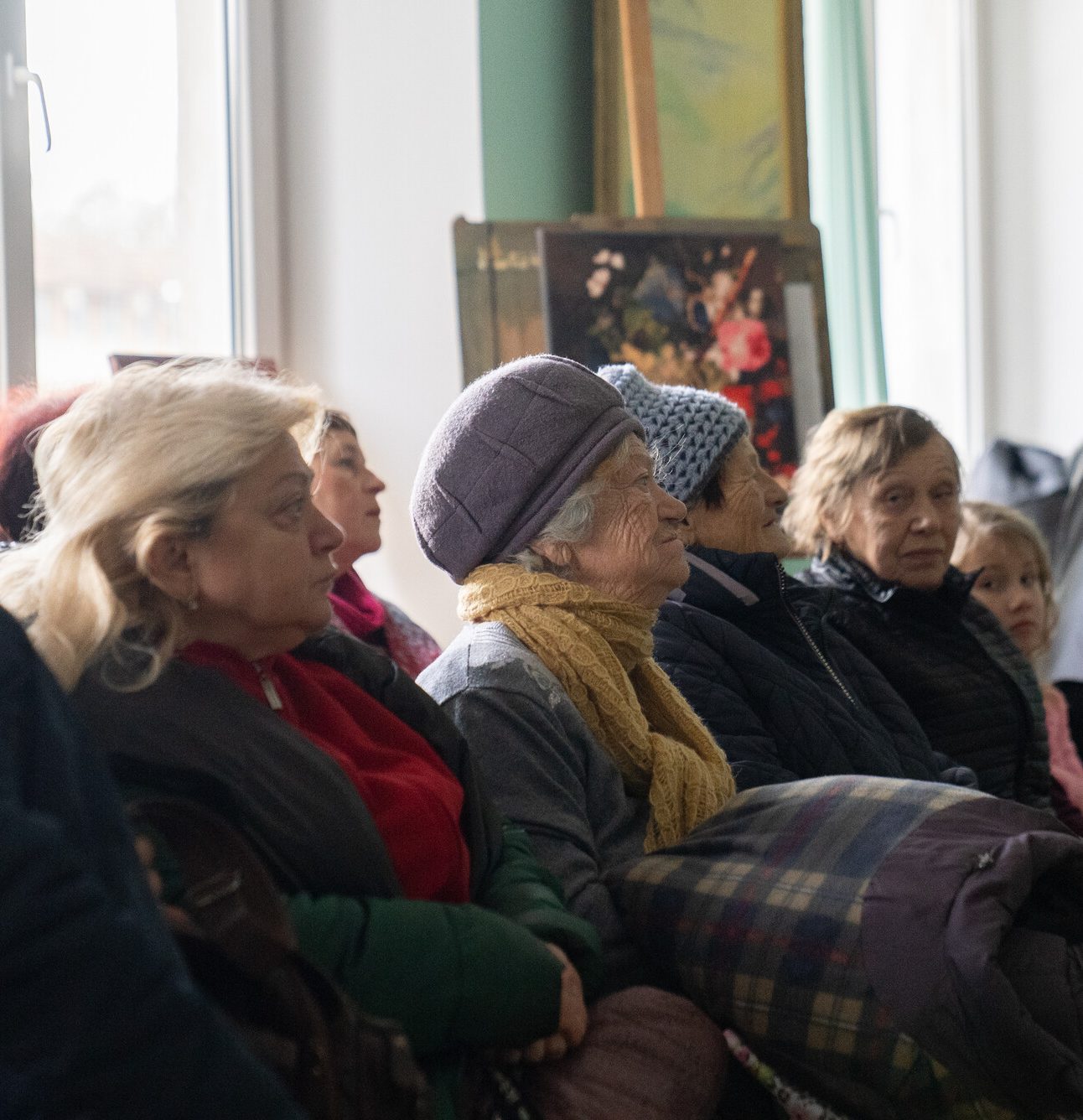
In June 2026, representatives of civil society organisations, older people’s initiative groups and international experts met in Lviv for a workshop supported by the Center for Disaster Philanthropy, HelpAge USA and HelpAge International in Ukraine. 

The workshop focused on how Ukrainian organisations can play a bigger role in decisions and actions affecting older people. Participants shared their experiences, discussed challenges and looked at ways to work together more closely. They highlighted that organisations working directly in communities often have the best understanding of what older people need and what matters most to them. 

National network – a shared way forward

One of the main results of the workshop was the decision to start creating a Ukrainian national network of organisations working on ageing. The network will give organisations a way to connect, share experience and work together to advocate for older people’s rights and interests. 
The value of the future national network lies in bringing together the experience of organisations from across different regions of Ukraine. This will enable us to better understand both shared and local challenges, build a robust evidence base, and promote effective approaches to supporting older people.

Anatolii Riabko, Head of the Older People’s Initiative Group in Stryi (Lviv Oblast, Ukraine)

Putting older people at the centre of decisions

Throughout the discussions, one message was clear: older people need to be part of decisions that affect their lives. They are not only people who receive support, but also community leaders, volunteers, advocates and active citizens whose experience and knowledge are important for Ukraine’s recovery and future.
The next stage will be led by Ukrainian organisations as they decide how the network will work and what issues it will focus on. HelpAge International in Ukraine will continue to support this process as a partner, while the direction and leadership remain with the organisations and older people’s groups involved.