What does organisational strengthening look like in practice?
In Pakistan, FAID is combining improvements to its organisation with growing engagement in national policy discussions on issues affecting older people.

Published
What does organisational strengthening look like in practice?
In Pakistan, FAID is combining improvements to its organisation with growing engagement in national policy discussions on issues affecting older people.
The Foundation for Ageing and Inclusive Development (FAID) has been strengthening its organisation through the SCORE programme while expanding its engagement with policymakers, civil society and other partners.
The first stage of FAID’s SCORE journey focused on strengthening its internal operations and leadership practices, including training linked to the Core Humanitarian Standard (CHS). At the same time, FAID has expanded its engagement in national discussions on issues affecting older people.

Syed Moeez Ud Din, Chief Executive Officer, FAIDOne of the biggest changes has been our confidence. Through SCORE, we have been able to strengthen our organisation while also engaging more actively with policymakers, civil society and other partners. We now have a stronger platform to contribute to national discussions on the issues affecting older people.
Alongside this organisational development, FAID has expanded its engagement in national policy discussions, with evidence playing a central role in that work.
To support its engagement with policymakers, FAID has launched the quarterly Pakistan Ageing Review, bringing together data, analysis and stories about older people across Pakistan.
FAID has also contributed analysis to the National Adaptation Plan (NAP) and Nationally Determined Contributions (NDCs) on climate change, highlighting the importance of age-responsive approaches that ensure older people’s needs, capacities and contributions are reflected in climate policy.
At the same time, FAID has helped strengthen civil society engagement on healthy ageing and universal health coverage, bringing together civil society organisations and older people’s representatives to build advocacy skills, raise awareness and contribute to dialogue with policymakers.


The Pakistan Ageing Review is FAID’s quarterly evidence and policy publication on ageing in Pakistan. It was launched to raise awareness of the country’s rapidly ageing population, support evidence-based policymaking, and ensure older people’s voices are included in development and policy discussions. As part of FAID’s wider advocacy work, it helps translate research and experience into action for more inclusive and age-responsive policies.
Beyond its policy engagement, SCORE has supported FAID’s organisational development. Governance and procurement processes have been improved, safeguarding and accountability mechanisms enhanced, and staff have benefited from training and professional development. FAID has also begun developing its fundraising systems and exploring new approaches to long-term sustainability.
As one of eight members of the HelpAge global network taking part in the programme, FAID has also been able to connect with other participating organisations to share knowledge, ideas and challenges.
FAID’s experience shows that civil society influence depends on investing in different areas of organisational capacity. Stronger internal systems are essential, but they need to sit alongside credible evidence, effective partnerships and sustained policy engagement to ensure older people’s rights and priorities are reflected in national discussions.
That wider approach lies at the heart of SCORE: supporting civil society organisations to strengthen how they work and how they can increase their influence on the decisions that shape older people’s lives.

AGE Myanmar is helping older people build the confidence, skills and platforms to advocate for better access to healthcare.

Through SCORE, older people in Moldova are advocating for practical changes in their communities. Their collective action helped secure a new lift at the local health centre.

Support for older people works best when it is shaped by people and organisations who know local realities.
FAID’s experience in Pakistan shows how strong civil society organisations advance older people’s rights.

The latest milestone in HelpAge's commitment to shifting leadership, decision-making and resources to national organisations.

The Vietnam country office is evolving into an independent, locally led organisation called the Vietnam Organisation for Better Ageing.
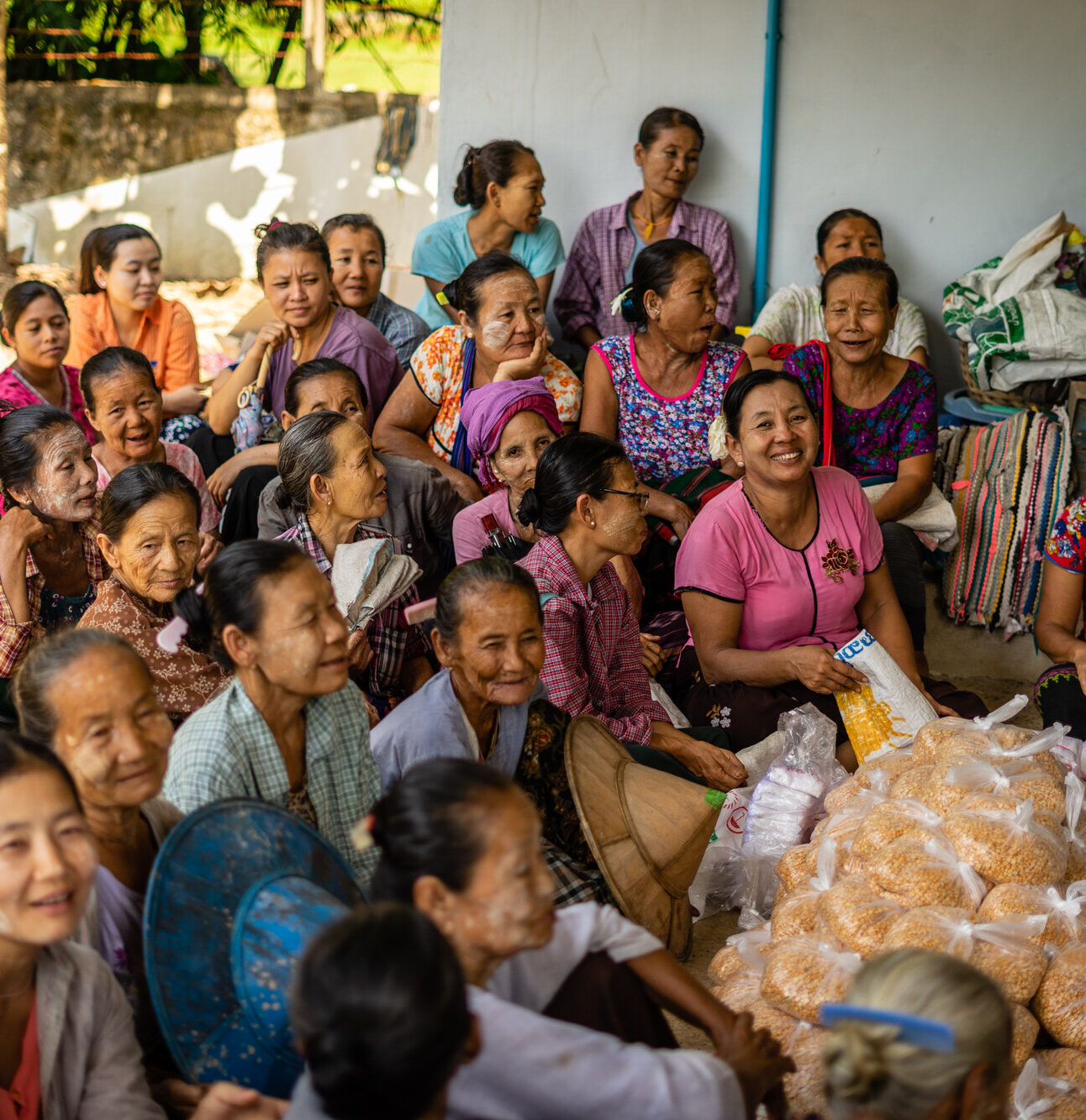
Phase 1 of the six-month DEC Myanmar Earthquake Response (April – September) has now come to a successful close, achieving remarkable results across affected communities.

Across Lebanon, older people’s needs and voices are being put at the centre of community recovery with HelpAge global network member Amel Association International.
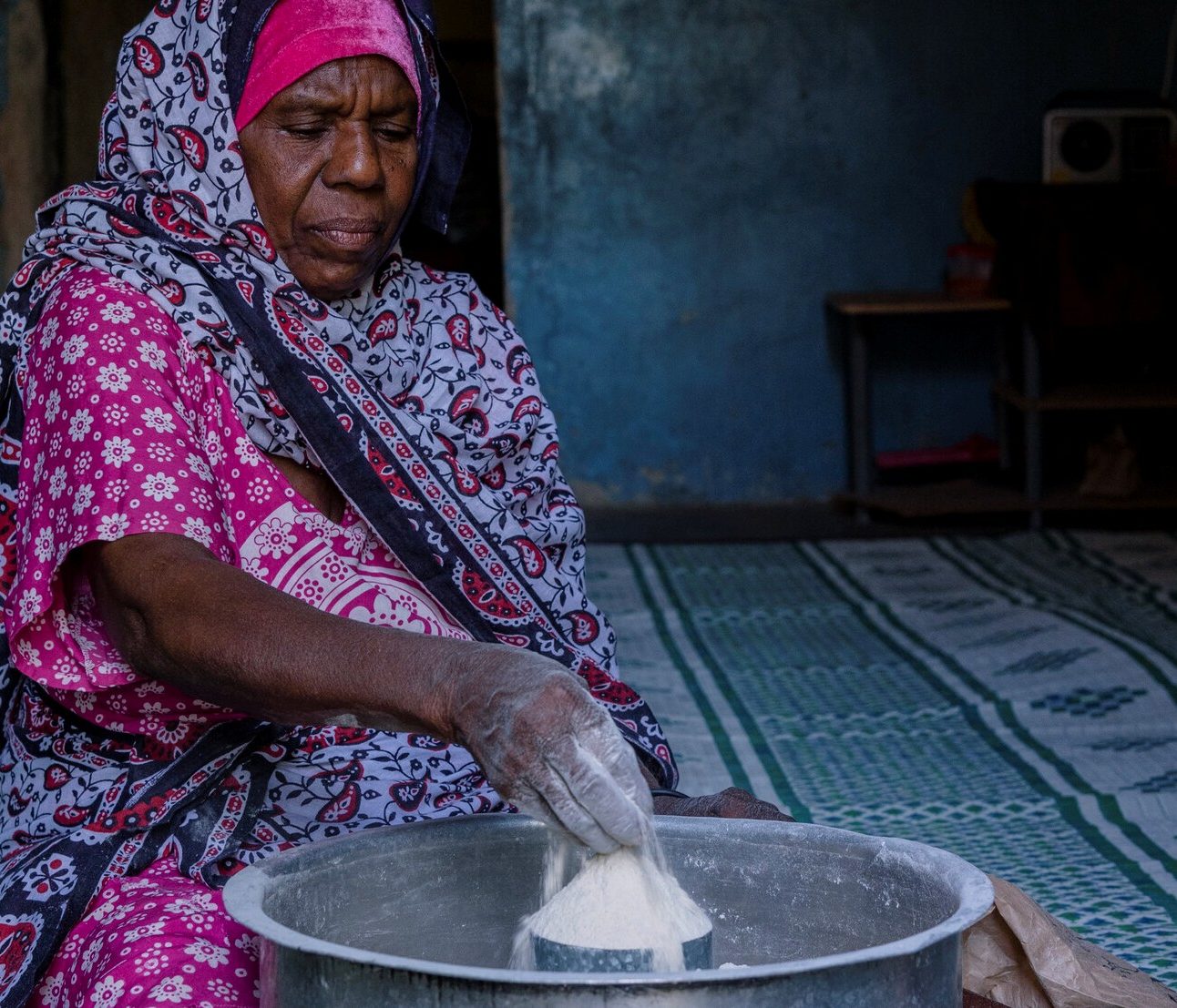
David Boaz, HelpAge’s Head of Localisation, reflects on the organisation’s localisation journey so far and the lessons learned.
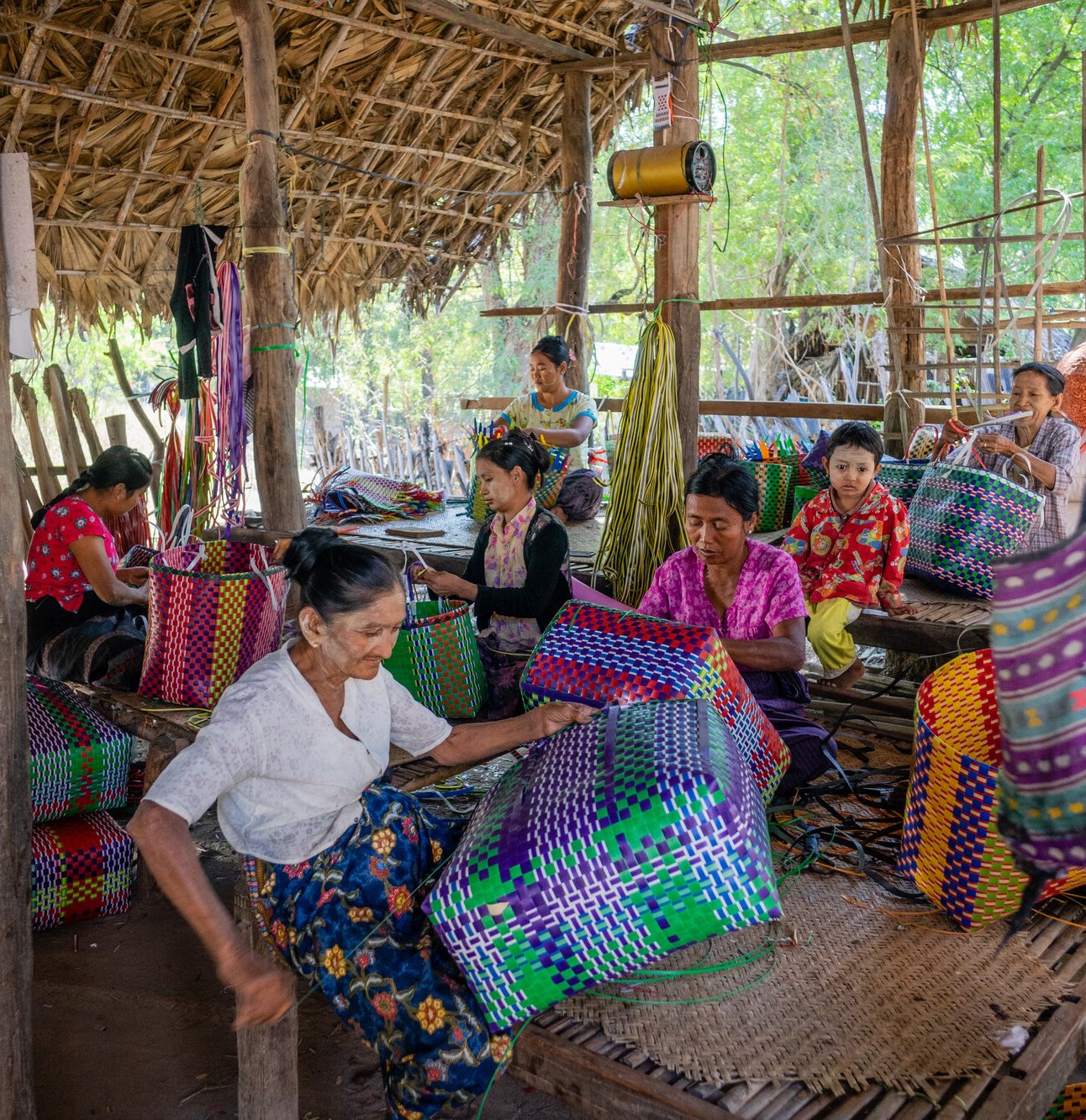
AGE Myanmar completed its transition into a fully independent national organisation in 2023. This shift marked a turning point in how older people in Myanmar could be supported.
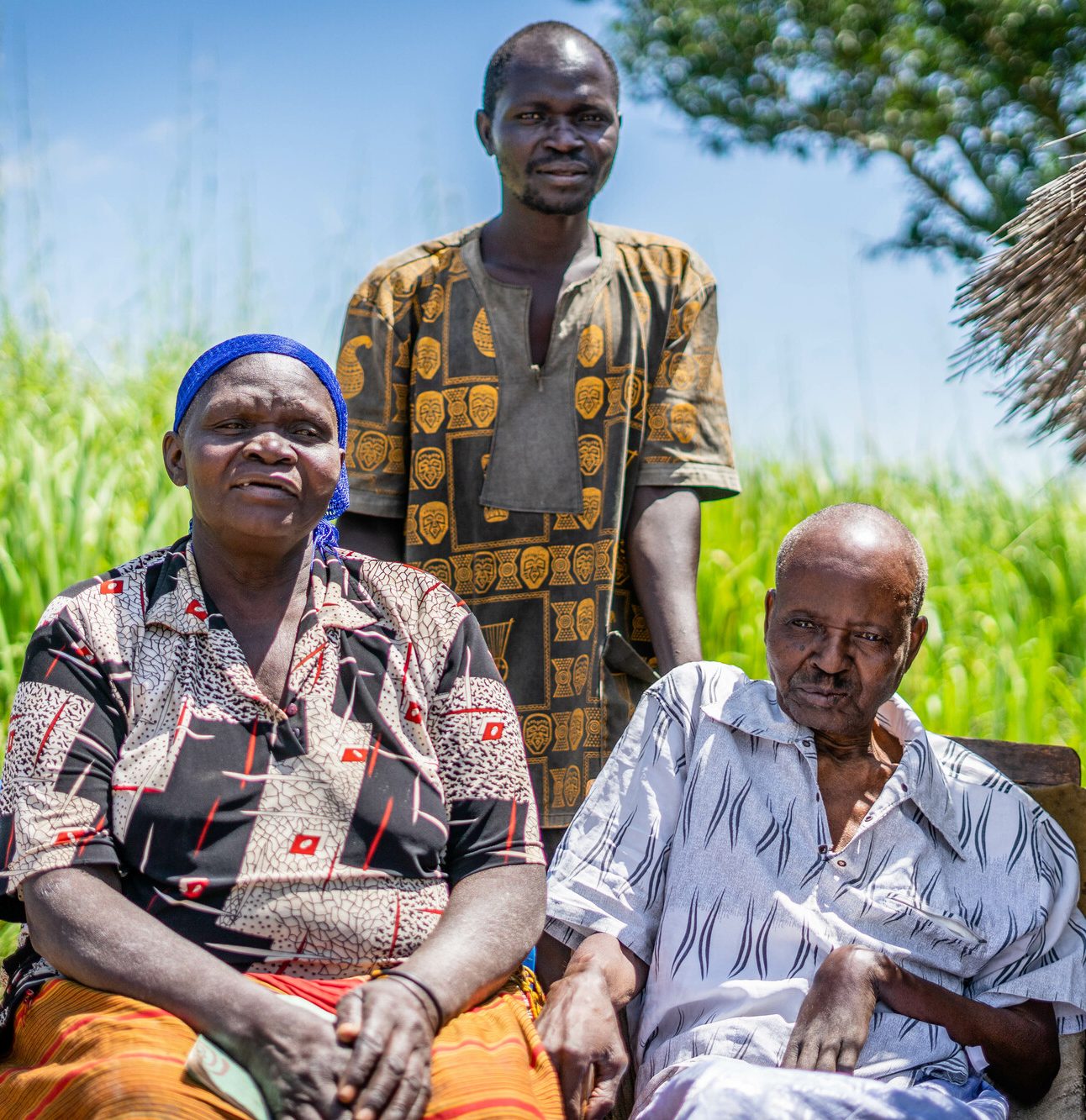
In 2023, eight organisations came together to create HelpAge Advocacy Network Uganda (HANU). Today, just two years later, HANU is already changing lives, ensuring that older people across the country live with dignity, respect, and opportunities.

A visit to Meshmesh in Lebanon highlights the power of local care that uplifts, connects, and respects older people.

Amel and HelpAge have launched an Ageing Unit in Lebanon to promote the rights and wellbeing of older people through advocacy, training, and community engagement.
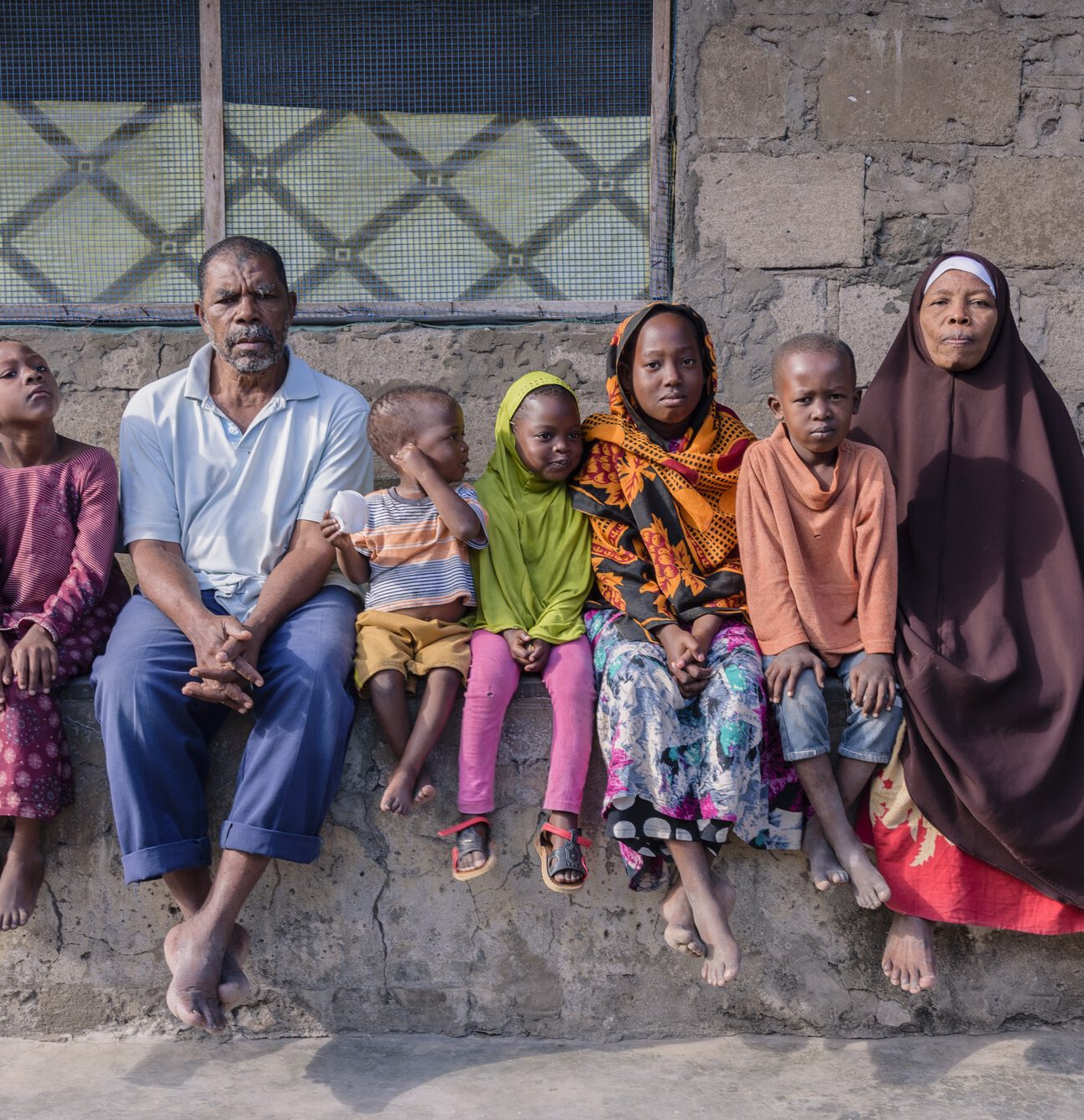
One year on, HelpAge Tanzania is changing the story on ageing - from overlooked to empowered, from policy to impact, and from voices unheard to voices leading.
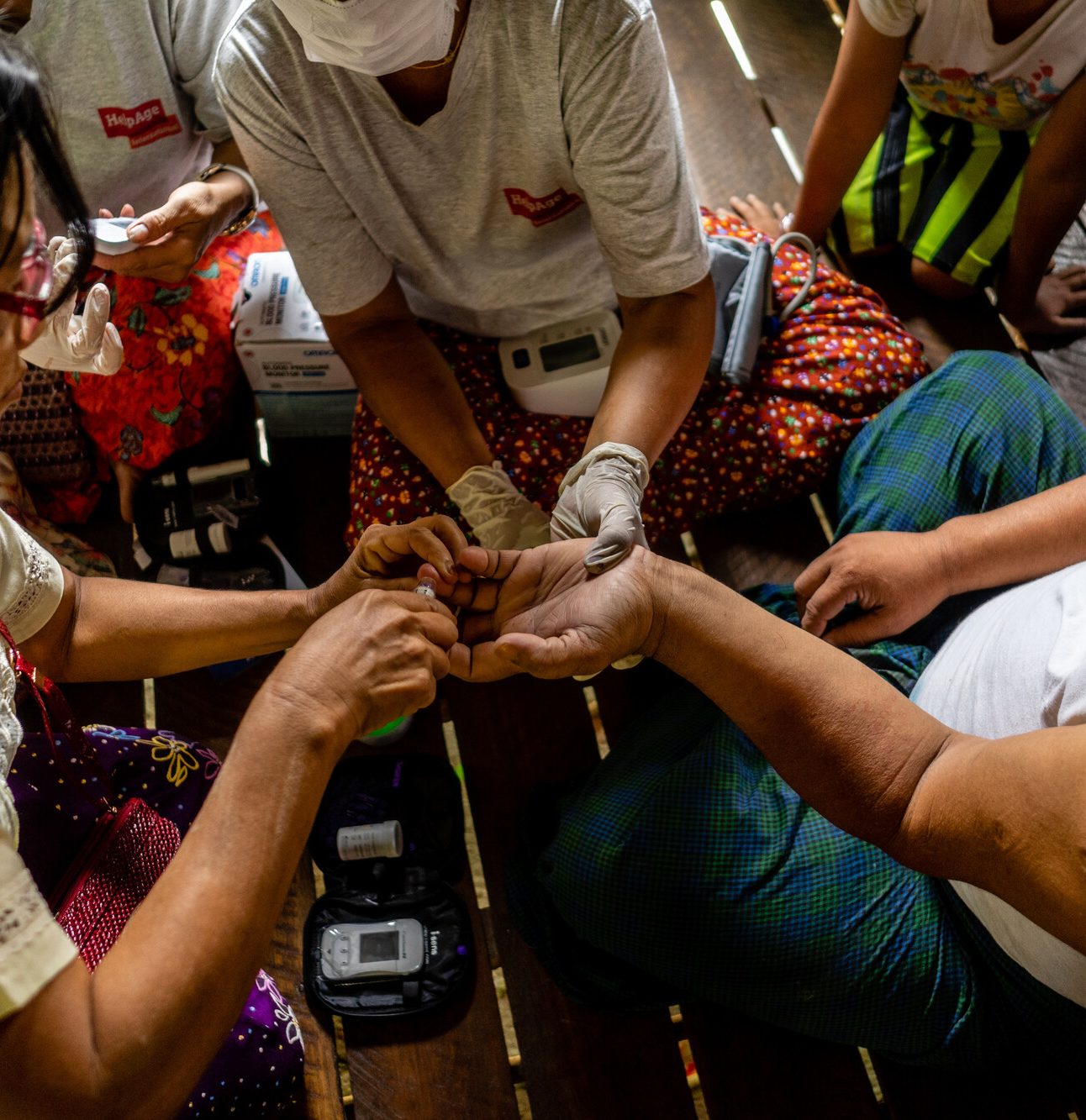
HelpAge International and our local network member AGE Myanmar are acting swiftly to ensure older people are not left behind.
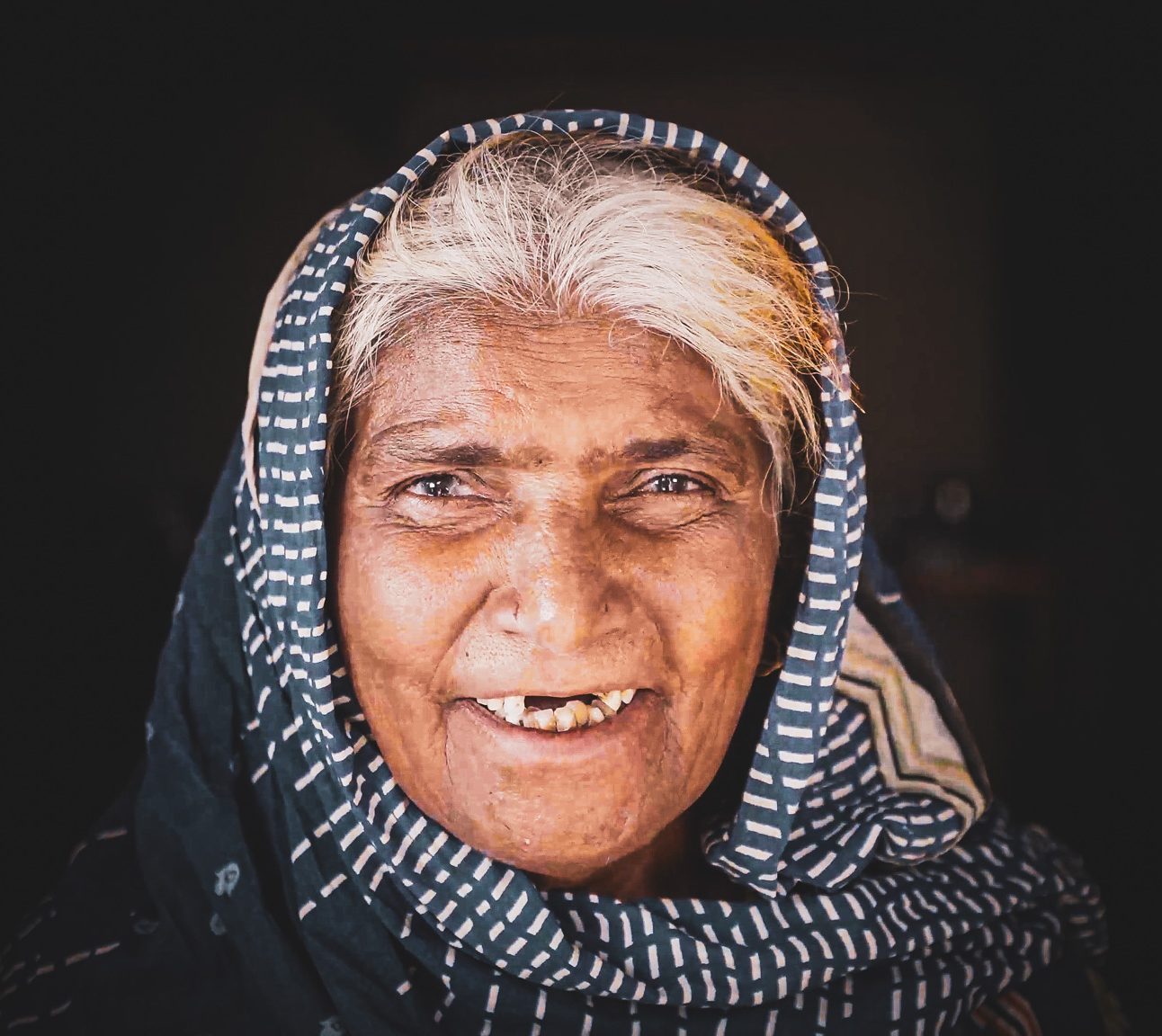
As part of HelpAge International’s ambitious localisation agenda, the Foundation for Ageing and Inclusive Development (FAID) will take forward the ageing agenda with older people in Pakistan.
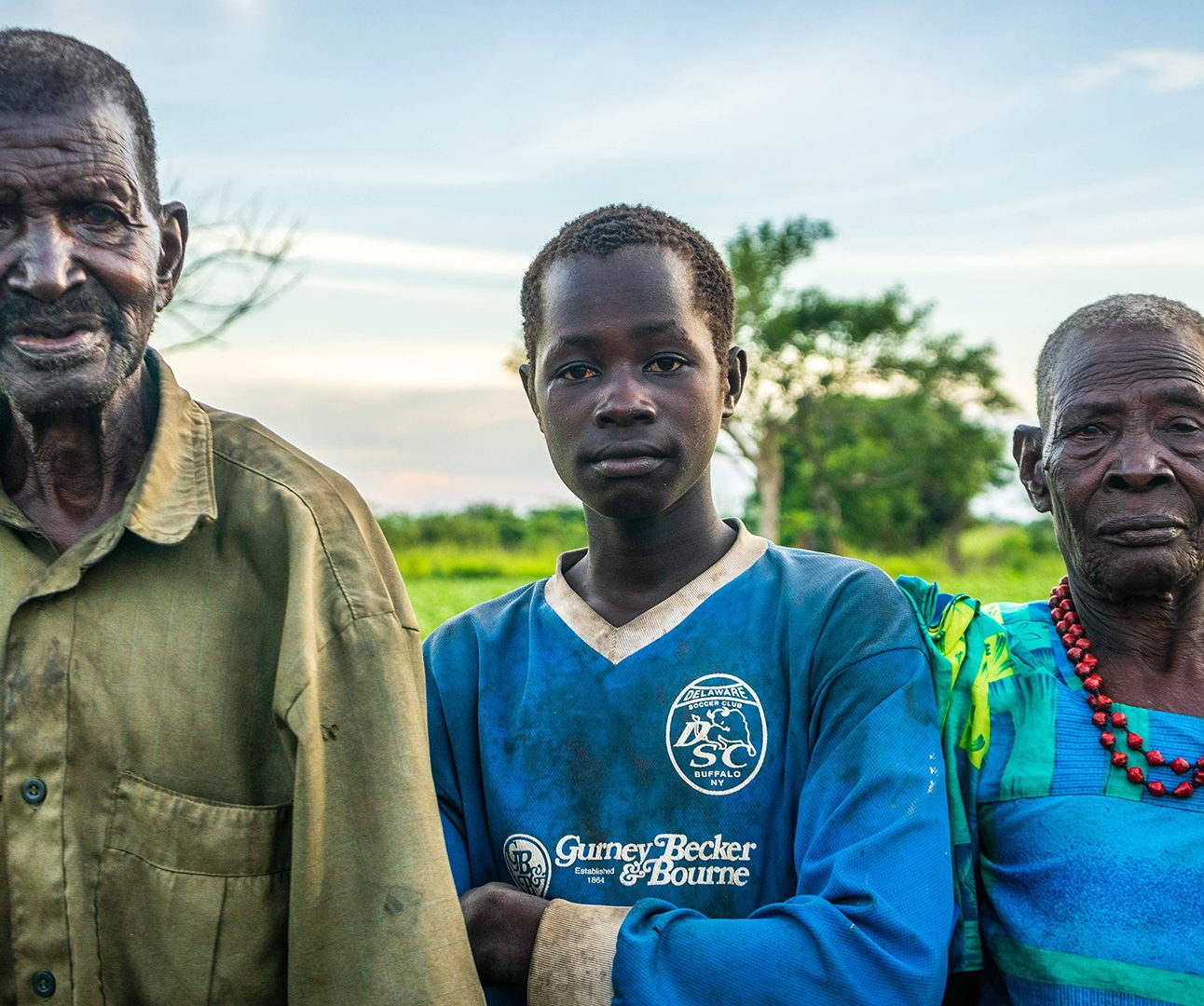
12 September marks the launch of the HelpAge Advocacy Network Uganda (HANU), an independent network of eight Ugandan organisations committed to promoting the rights and wellbeing of older people in Uganda.

1 September 2024 marks the launch of the Network of HelpAge Partners in Bangladesh (NHPB).
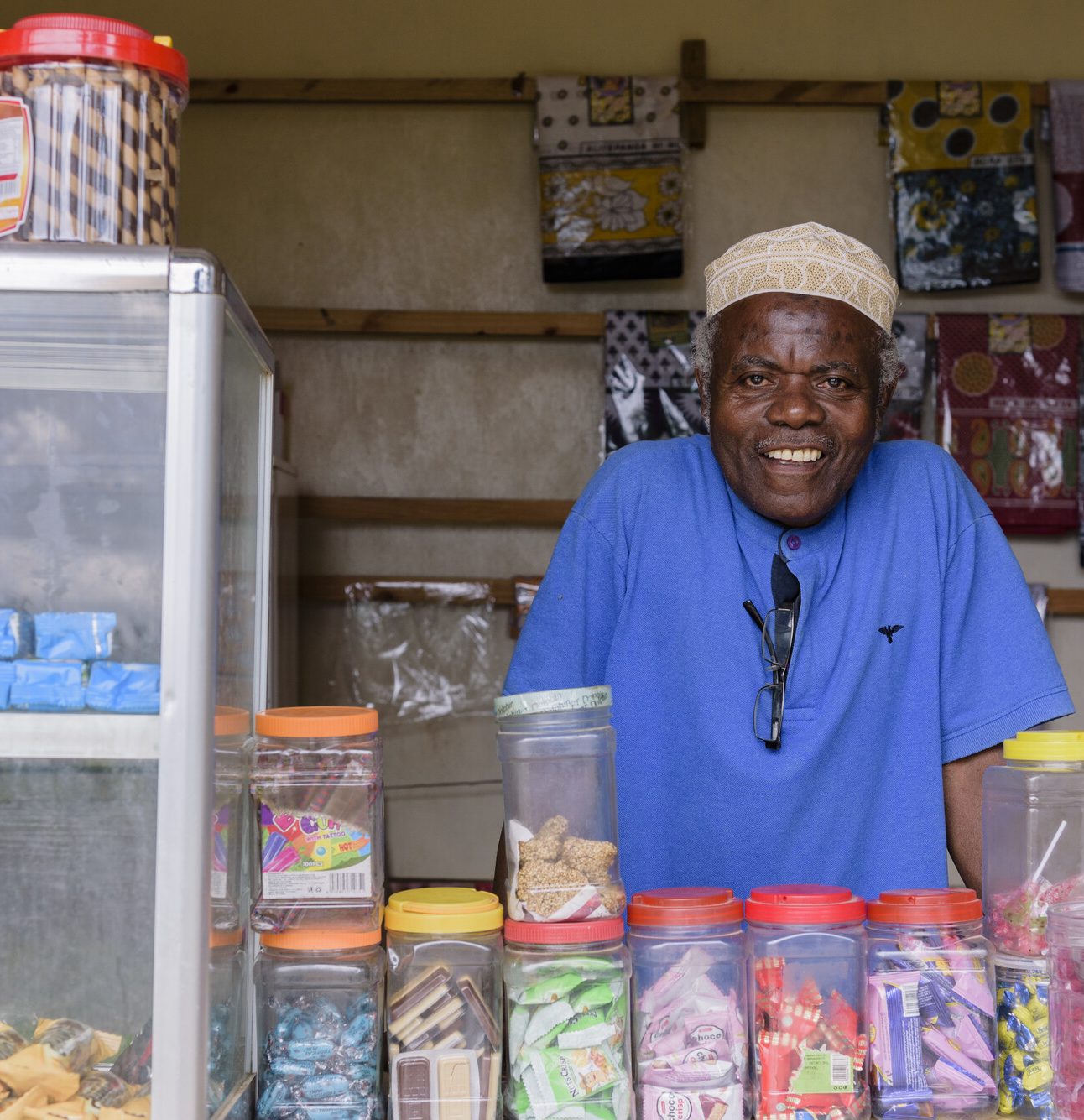
1 April 2024 marks the launch of HelpAge Tanzania, an independent and autonomous national organisation working for the rights and wellbeing of older people and people with disabilities in Tanzania.