On the evening of 28 August, a Russian drone struck a warehouse containing ammunition in the village of Myla, in the Bucha district west of Kyiv. The strike triggered explosions and fires that continued through the night, causing extensive damage to surrounding homes and other buildings, including a nearby care home for older people and people with disabilities.
At least 37 people were killed, including 34 residents of the care home, and 42 people were injured. More than 370 people were evacuated from the surrounding area. Surviving residents of the damaged care home are being provided with temporary accommodation.
Ukrainian authorities have opened investigations into both the Russian attack and whether regulations governing the storage of ammunition near civilians were followed.
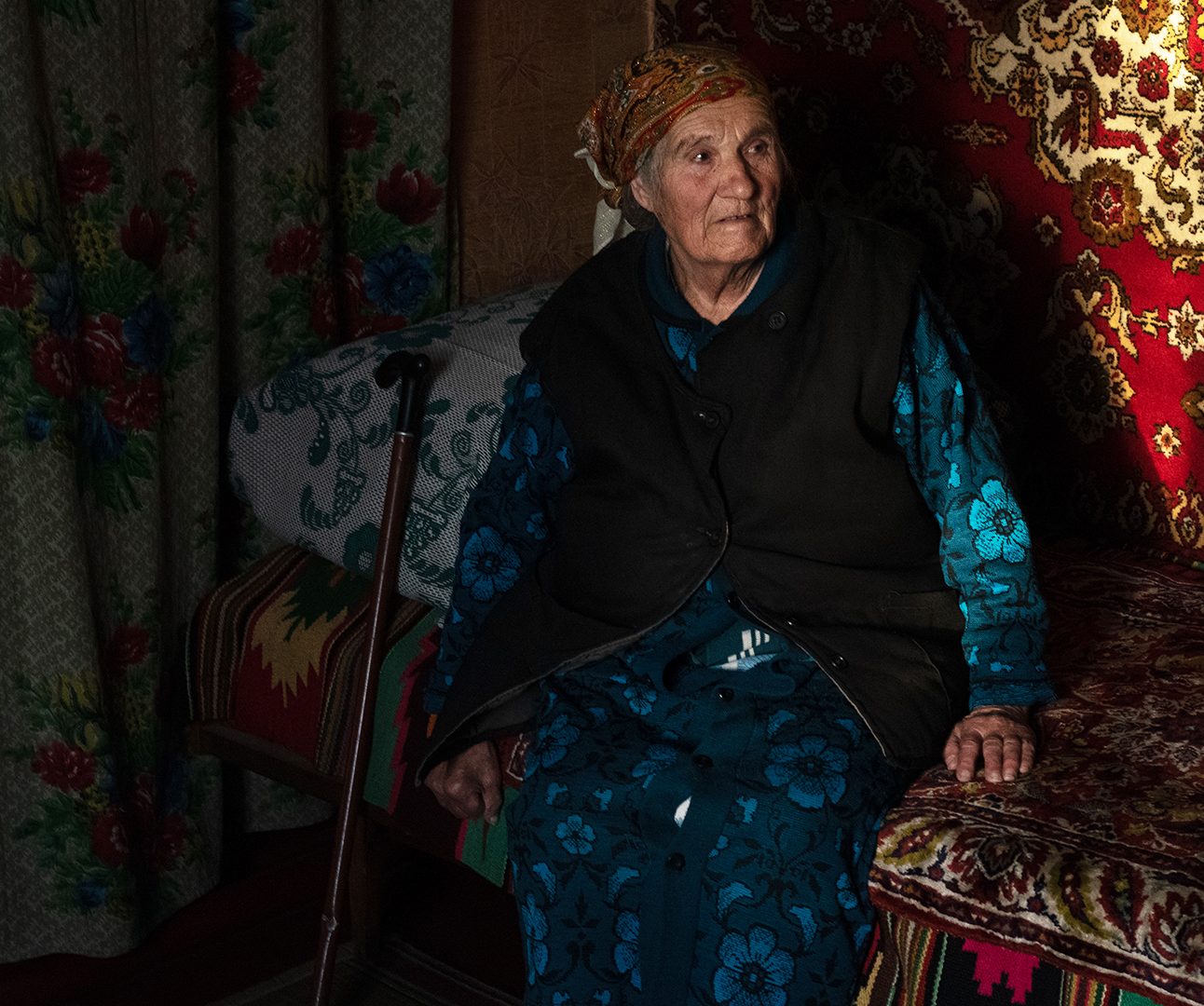
After more than four years of full-scale war, the safety and dignity of older people and people with disabilities must be central to emergency planning and response. Evacuation can be especially difficult for people with limited mobility, health conditions or ongoing care and support needs.
International humanitarian law requires civilians and civilian infrastructure to be protected and all feasible precautions to be taken to reduce harm. These obligations must be respected by all parties.
This tragedy also highlights the need to systematically incorporate the needs of older people and people with disabilities into civil protection and evacuation plans. Such plans should provide for timely warnings, accessible transport, necessary medical assistance, continuity of care and support, as well as appropriate temporary accommodation for people who are unable to evacuate independently.