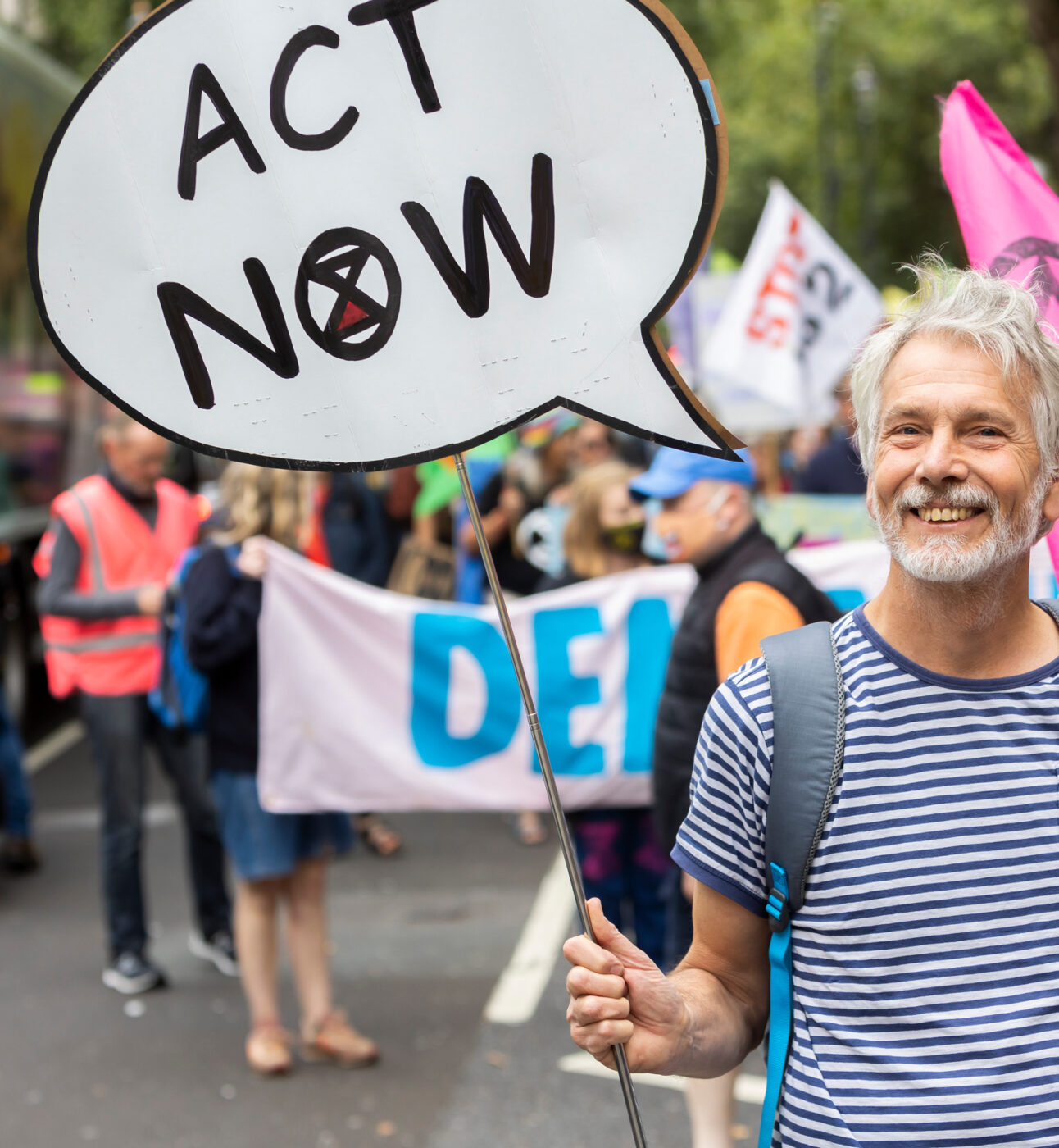
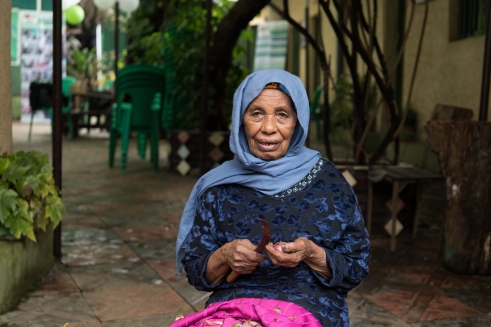
As COP31 gets underway, HelpAge International is launching anew policy brief calling for climate adaptation to recognise older people not only as people at risk, but as leaders, knowledge holders and agents of change.
The paper sets out practical changes for governments, funders and communities to make that a reality.
Ageing in the climate crisis
Explore how climate change affects older people and make the case for more age-responsive and inclusive climate action.
The world is getting hotter. It is also getting older.
By 2050, more than one in five people globally will be aged 60 or over. Yet the systems being developed to help communities adapt to climate change must do more to include them. Without that, adaptation plans, data and finance risk missing the people most exposed to climate hazards.
As global leaders meet for COP31 in Antalya, Türkiye, HelpAge International’s new policy paper, Ageing in the climate crisis, argues that this needs to change.
The paper finds that older people face disproportionate risks from heatwaves, floods, droughts and storms, which makes their inclusion in climate policy, data, finance and decision-making essential. Their experience in adapting to climate change is a powerful resource that deserves recognition and support.
National adaptation plans often fail to turn older people’s needs and contributions into practical, funded measures, and the climate and disaster data that could guide them is rarely disaggregated by age. Even where priorities are set, climate finance can be hard for older people’s organisations and other community-based groups to access, and adaptation is poorly connected with social protection, health and care systems. Underlying all of this, older people are still too often excluded from meaningful participation in climate decision-making.
The scale of the finance challenge is particularly stark. Developing countries will need an estimated US$310–365 billion a year for climate adaptation by 2035, while international public adaptation finance flows reached only US$26 billion in 2023. The paper argues that even within this limited funding, there is little evidence that finance is systematically designed to reach older people.
Older people are already leading climate action
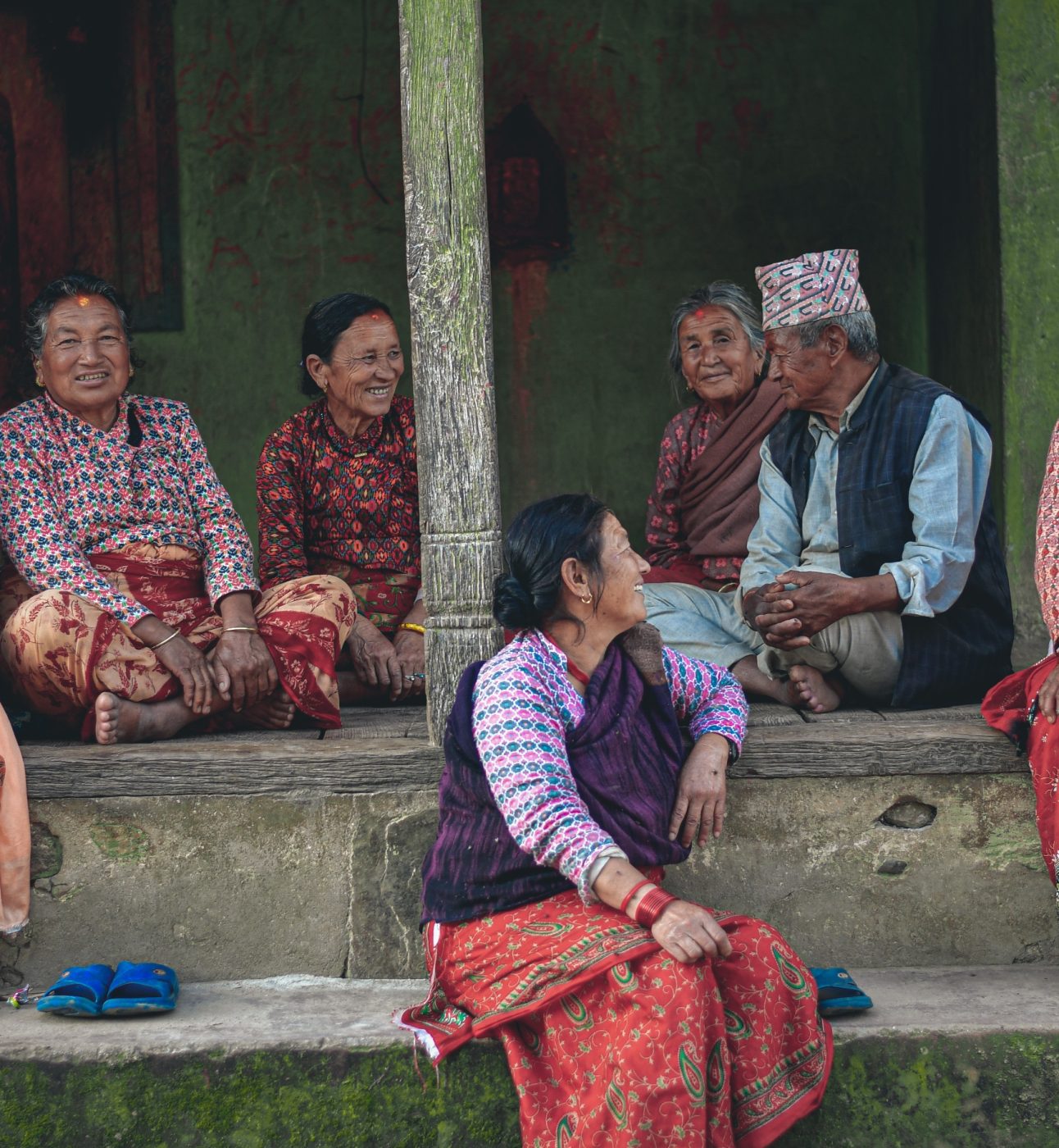
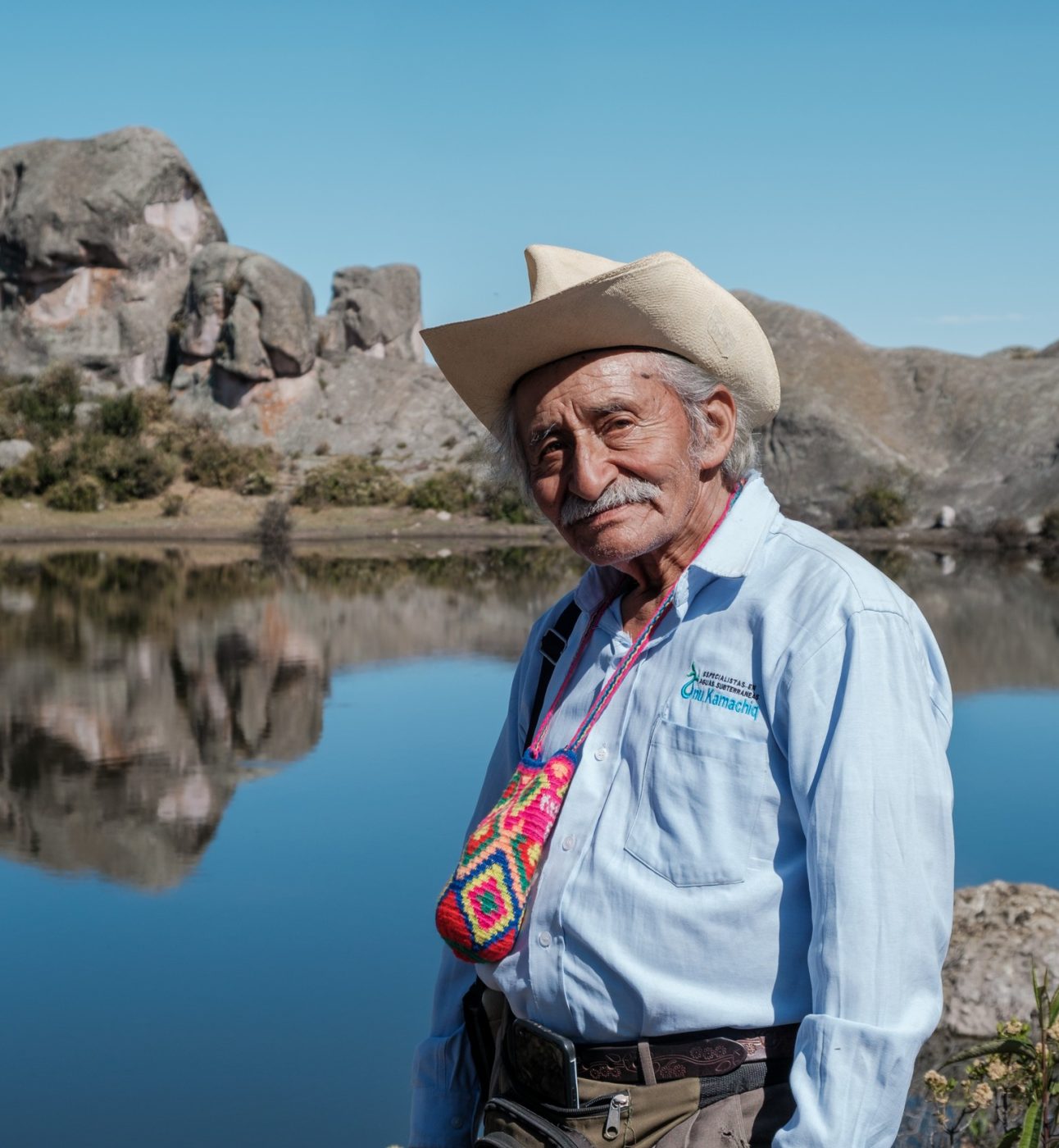
Older people around the world are already developing practical climate solutions.
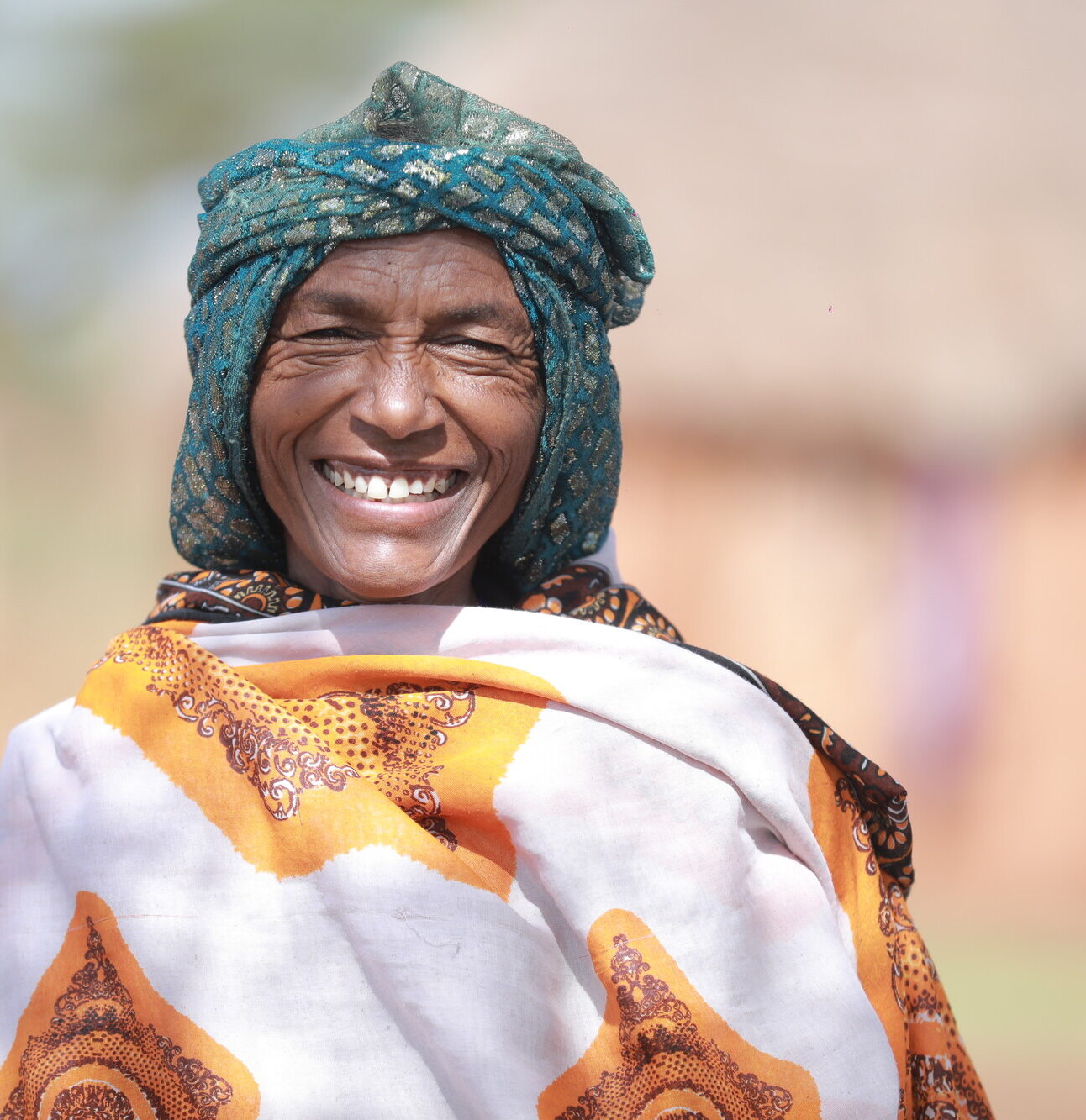
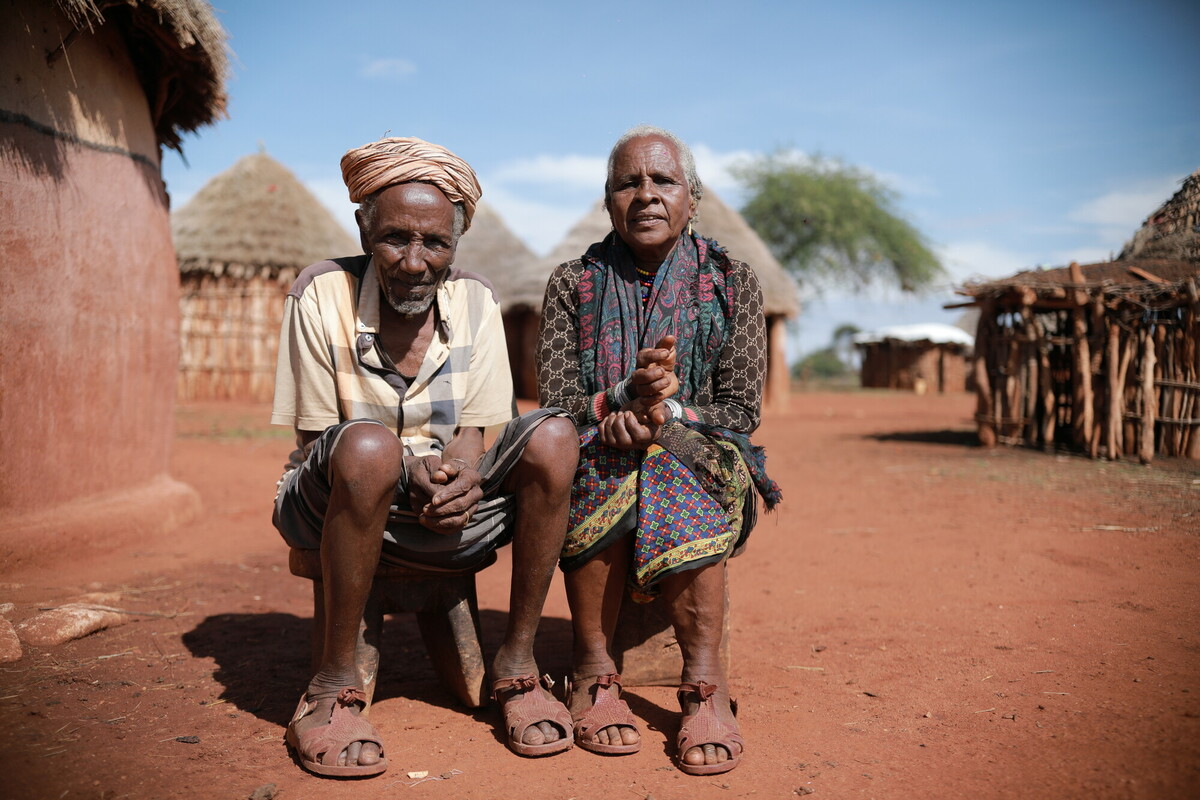
In India,older women have helped revive traditional water-harvesting systems and strengthen seed banks. In Vietnam and Thailand, older people’s groups are using bamboo and biochar to improve soil, support livelihoods and reduce emissions. In Ethiopia, older people affected by drought have developed alternative livelihoods including beekeeping and aloe vera soap-making. And in Bogotá and Mexico City, older people are helping to develop accessible urban gardens that use nature-based solutions to respond to climate risks.
These experiences show that older people are not simply recipients of climate action – they are innovators and knowledge holders whose experience can help communities adapt.
Five shifts for age-inclusive climate action
The paper calls for five changes:
Make ageing a core consideration in climate risk and adaptation assessments.
Give older people a formal voice in global climate governance.
Redesign climate finance so it can reach older people and their communities.
Invest in evidence and platforms that can document and scale proven community-led approaches.
Make national adaptation systems age-responsive from the outset.
At COP31 and beyond, older people must have a meaningful say in the policies and investments that affect their lives.
As world leaders meet in Belém, Brazil, for COP30 from 10-21 November, Hari Krishna Nibanupudi reflects on lessons from COP29 and what lies ahead for older people in this year’s climate talks.
Poverty in old age remains a critical challenge in Bangladesh. 57 per cent of older people are economically vulnerable, with more women being at risk of poverty compared to men.
The climate crisis affects everyone, but its impact is most severe on those living in low and middle-income countries, despite contributing the least to its causes.
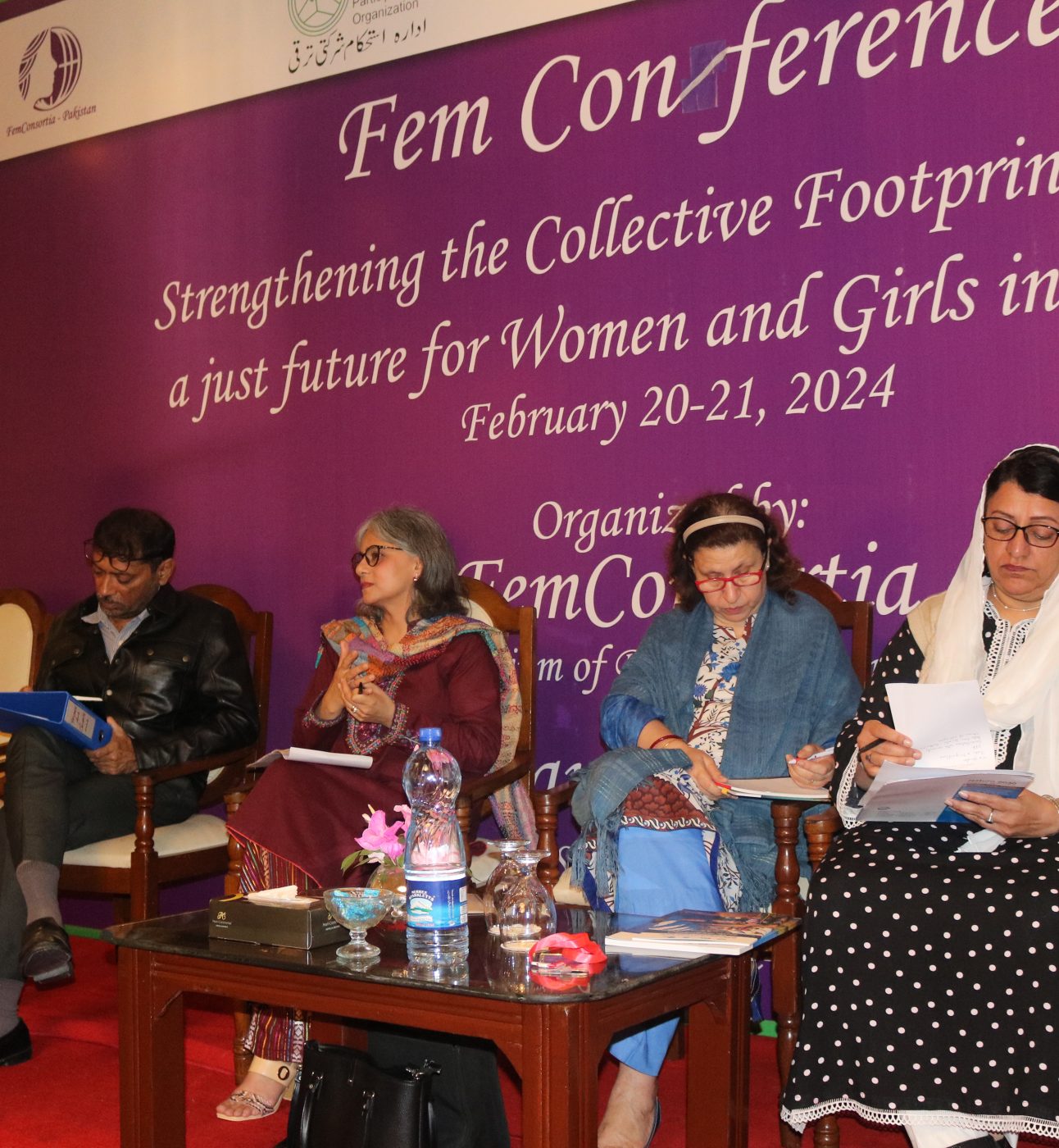
This blog piece reflects insights by Javeria Afzal, climate change advisor at HelpAge International, during a panel discussion on Women and Climate Change, organised by FemConsortia in February 2024.
As we mark World Food Day on 16 October, we take a look at the challenges facing older people in low- and middle-income countries as they struggle to fulfill one of the most essential of human rights: the right to food.
HelpAge welcomes the Paris climate change agreement as a historic achievement but is alarmed by the exclusion of older people from the list of those considered to live in vulnerable situations, whose rights need to be addressed.
The first week of the Paris climate change conference is a welcome step forward but the wellbeing of older people needs specific focus, says HelpAge International.
This week, we’re launching the first Disaster Risk and Age Index at the Third UN World Conference on Disaster Risk Reduction in Sendai. The Index ranks 190 countries across the world on the disaster risk faced by older people.
This week, HelpAge International is launching the first Disaster Risk and Age Index, ranking 190 countries across the world on the disaster risk faced by older people, at the Third UN World Conference on Disaster Risk Reduction in Sendai.
HelpAge International is joining Action/2015, a global citizen’s movement, to call on leaders to raise their ambitions for a fairer world for all ages in 2015; the year that two United Nations summits can change the course of history.
13 October 2014, The United Nations Office for Disaster Risk Reduction (UNISDR) and HelpAge International today issued a joint call for greater involvement of older persons in disaster management efforts worldwide in order to bring down death tolls among those over 60.
On 13 October, International Day for Disaster Reduction, HelpAge and the United Nations Office for Disaster Risk Reduction (UNISDR) issued a joint call for greater involvement of older people in disaster management efforts worldwide.
With the UN Office for Disaster Risk Reduction (UNISDR), we have launched a survey to collect older people’s views on how they cope with disasters and participate in disaster risk reduction.
This week, the whole world is looking towards Rio de Janeiro, where the Rio+20 summit is taking place. Important emerging challenges including climate change,food security and health are being discussed. However, one issue that has major implications for everyone is missing – that of global ageing.
As millions of people face hunger in Ethiopia due to the worst drought in a decade, HelpAge International is stepping up its emergency response programme in the country
As world leaders prepare to negotiate a successor agreement to the Kyoto Protocol in Copenhagen, HelpAge International is calling for the voices of older people in developing countries to be heard in the debate.