When an older person is told to keep quiet
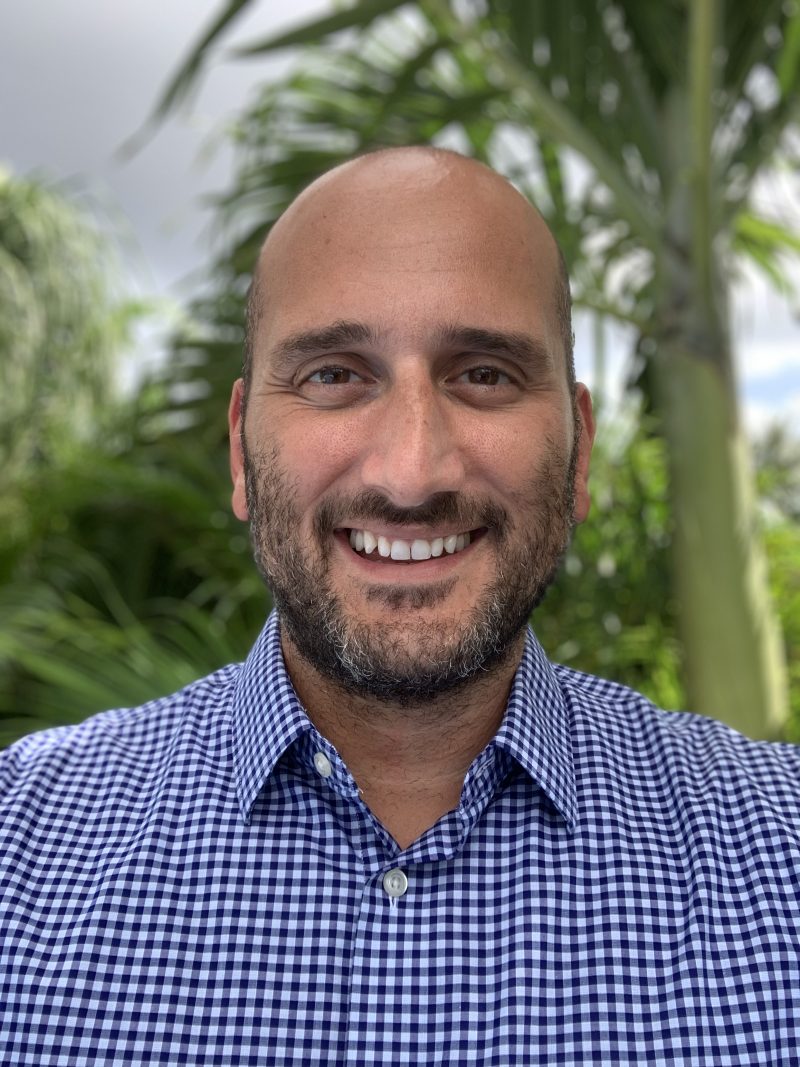
Vijay Naraidoo from Mauritius examines the everyday experience of ageism and exclusion when older people are ignored, dismissed or told their views no longer matter.

Age-friendly societies benefit people of all ages. Drawing on examples from across the region, Quyen Ngoc Tran explores how neighbourhoods, services, public spaces and climate responses can be designed to support participation, independence and dignity throughout life.

The Silver Economy is often discussed in terms of spending power and market opportunity. Philip O'Keefe argues for a broader vision, one that recognises older people as workers, entrepreneurs, caregivers, volunteers and contributors to society.
Population ageing is experienced differently across countries, communities and generations. Experts, HelpAge network members, policymakers and practitioners are sharing their perspectives on the changes needed to improve the lives of older people across the region.
This section brings together blogs, opinion pieces, videos, interviews and personal reflections from contributors across Asia and the Pacific and beyond, highlighting diverse experiences, innovative solutions and ideas for the future.

Vijay Naraidoo from Mauritius examines the everyday experience of ageism and exclusion when older people are ignored, dismissed or told their views no longer matter.

Thiago Herick de Sá from the WHO reflects on the one change he believes would most improve the lives of older people across Asia and the Pacific in the coming decade.

Stuart Gietel Basten argues that the real potential of the silver economy lies in helping people remain healthy, active and engaged throughout later life.

Dr Odgerel Chinbat from Mongolia reflects on the lack of coordination between health and social protection systems.
Dr. Sabine Henning (ESCAP, Thailand) reflects on the importance of stronger cooperation and solidarity across generations, communities, countries and institutions.

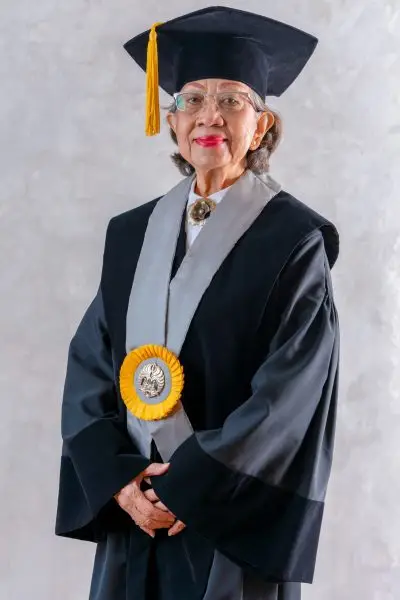
Sri Moertiningsih Adioetomo from Indonesia argues that building robust long-term care systems can help improve the lives of millions of older people.
By 2050, one in four people in Asia and the Pacific will be over the age of 60. Population ageing is already reshaping labour markets, health and care systems, communities, public finances and economic development across the region. Yet ageing is not simply a challenge to manage. It is also an opportunity to create more inclusive, resilient and equitable societies.
The Asia-Pacific Regional Conference on Population Ageing provides a space to learn from one another, challenge assumptions and build practical solutions for a future where people of all ages can thrive.

Eduardo Klien reflects on how the conversation has evolved from viewing ageing as a burden towards understanding it as a broader transformation affecting every aspect of society.
What does it take to create societies that are prepared for longer lives? Rhea Tariq explores the questions policymakers and practitioners cannot afford to ignore.

Why were the conference themes chosen? What does a "whole-of-society" response to population ageing really mean? Eduardo Klien explains the thinking behind this year's programme.