Cooperation spanning these levels would be a large, multi-level change yielding the many small changes that improve individual lives.
Regional cooperation and mutual learning
Indeed, at the regional level, cooperation is particularly important. Asia and the Pacific is highly diverse in terms of geography, political systems, cultures, languages, and levels of economic and social development. Countries vary as to the scale, timing and speed of population ageing. This diversity creates valuable opportunities for mutual learning, allowing countries at earlier stages of demographic transition to draw on the experiences of those with older populations. Regional cooperation facilitates the exchange of knowledge, good practices and innovations, while strengthening capacity-building and supporting common approaches to social protection, health care, long-term care and labour-force participation. By learning from one another, countries can anticipate challenges, avoid costly mistakes and adopt more forward-looking responses to population ageing. The United Nations Economic and Social Commission for Asia and the Pacific (ESCAP) provides the most inclusive intergovernmental platform in the region where such regional exchange on social and economic issues, including population ageing, takes place at regular intervals.
Turning national policies into local action
At the national and subnational levels, effective policies and institutions provide the framework for inclusive ageing. Governments play a critical role in creating enabling environments through legislation, investments and public services. Yet the impacts of population ageing are often felt most directly at the local level, where people live, work and interact. Communities therefore play a central role in translating policies into meaningful support and opportunities for people of all ages.
The growing importance of strong communities
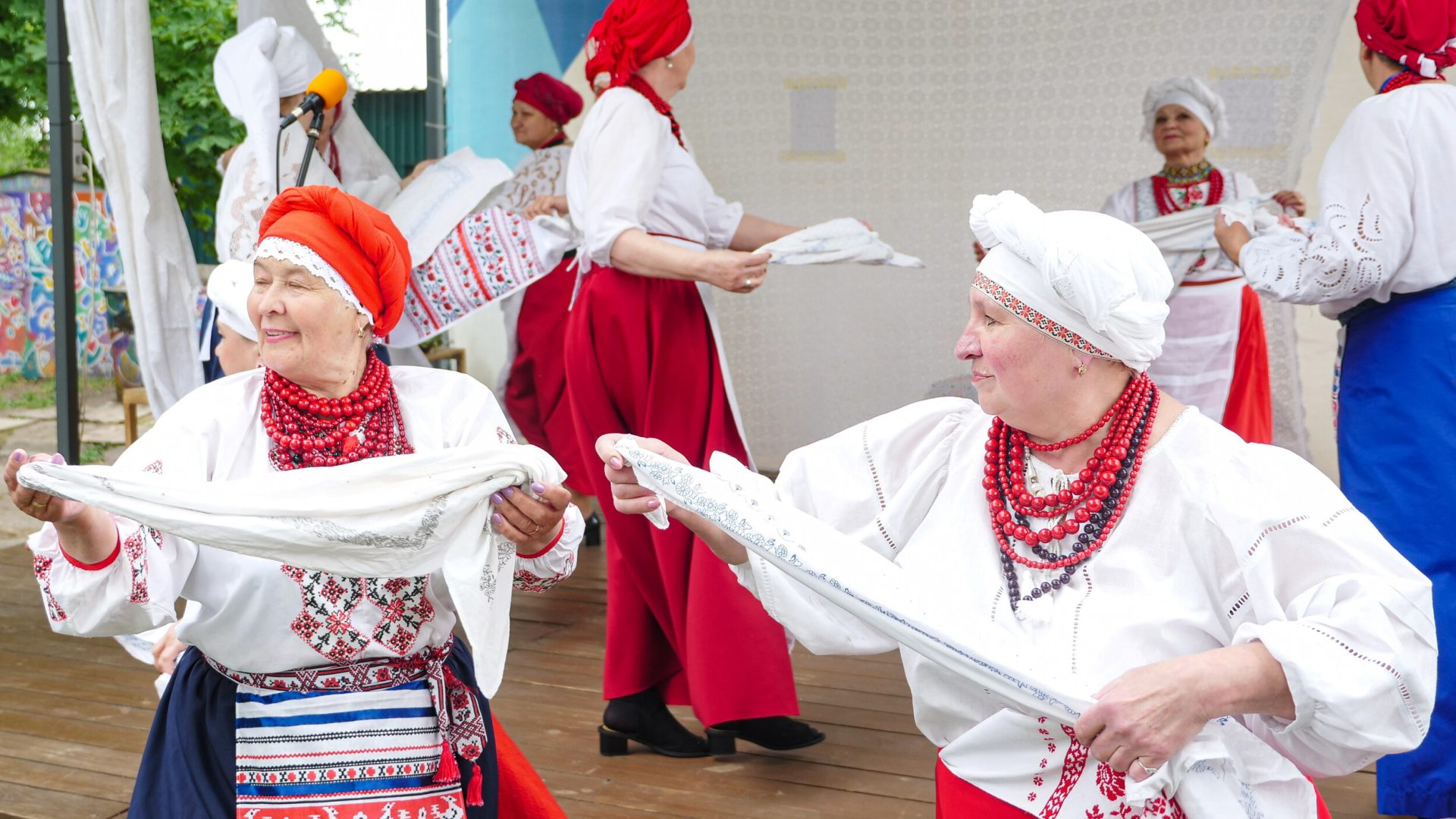
As family and household sizes decline due to lower fertility and migration, communities are becoming increasingly important as places where older persons can age in place, maintain social connections and continue contributing to society. It is within communities that different generations meet and interact, and where local governments, civil society organizations, older persons’ associations and other stakeholders work together to foster inclusion, participation and mutual support. Strong communities help bridge the gap between national policies and individual needs.
Solidarity and learning across generations
Ultimately, population ageing is experienced at the level of individuals and families. It is within households and families that many of the challenges and opportunities associated with longevity become most visible. Relationships between generations shape the wellbeing of older persons as well as younger generations and serve as important channels for the exchange of knowledge, skills and values. Older persons contribute wisdom, experience and historical perspectives, while younger generations bring new ideas, competencies and insights. This two-way learning enriches the lives of all generations and strengthens social cohesion. Intergenerational solidarity, mutual care, shared responsibility and reciprocal learning are therefore central to building societies for all ages. When people of different generations learn from and support one another within families, communities, nations and across borders, ageing becomes not merely a demographic reality but an opportunity to create more inclusive, resilient and connected societies.
Building societies for all ages together