How the accountability committees work
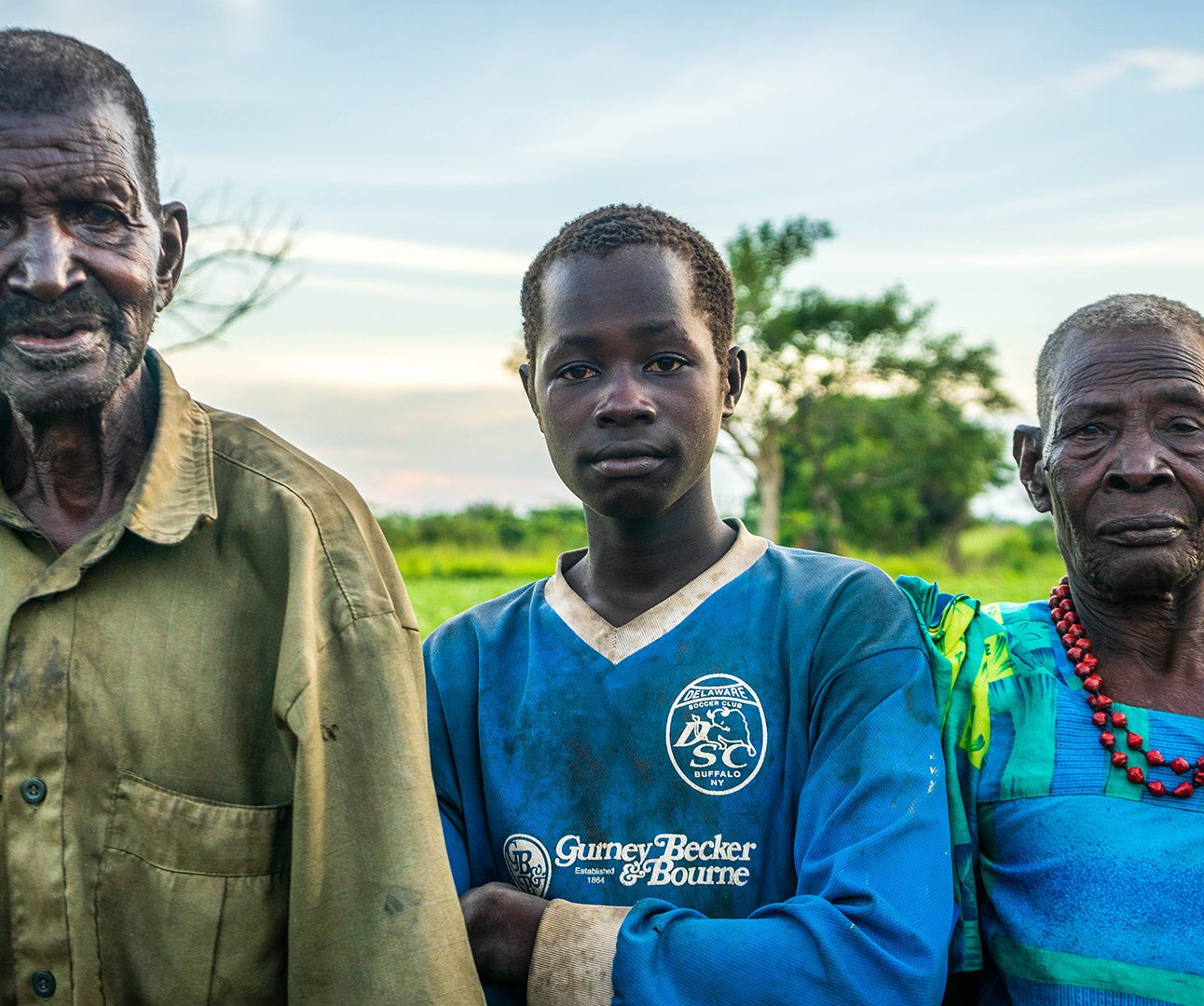
The approach started with training. In SCORE’s first year, HANU and its members worked with older people and village health teams in Kampala, Wakiso and Mukono to build their understanding of older people’s rights. In the second year, the work expanded to six districts, where 180 older people, village health team members and elected representatives of older people took part in the training.
The next step was to put this knowledge into practice. Older people formed accountability committees to assess local health services. Each committee visits three health facilities and uses a scorecard to look at areas including accessibility, staff attitudes, medicines, costs and whether services respond to the needs of older people and people with disabilities.
Health facility staff complete the same scorecard separately. The committee and facility staff then compare their scores and discuss the results with the officer in charge. Where their assessments differ, this helps identify problems and opens a conversation about what needs to improve.
“I am glad that older people now have a chance to come together as one body,” says Namukasa Firomera from Wakiso District.
What the assessments revealed
The assessments are helping older people identify specific gaps in health services and raise them directly with those responsible. In Wakiso District, for example, older people found that people with hypertension or diabetes were being sent elsewhere to buy medicines that should be available free of charge.
At Nalugala Health Centre II, older people highlighted the lack of medicines as a particular concern. Their assessment differed significantly from that of the facility’s officer in charge, creating an opportunity to discuss why medicines were unavailable and what could be done about it.
This is what makes the approach useful: older people’s experiences become the basis for a direct conversation with health providers about where services are falling short and what needs to change.
From speaking up to changing services
The approach shows that understanding rights is only part of the process. Older people also need practical ways to identify where services are falling short and raise those issues directly with decision-makers.
The scorecards provide that link, turning older people’s experiences into evidence they can use to discuss practical improvements with health providers.
For HANU, the biggest change is who is asking the questions. Older people are increasingly able to speak for themselves and ask those responsible for services: “This is what we are supposed to be getting, so why are we not getting it?”
HelpAge Advocacy Network Uganda is a coalition of eight Ugandan civil society organisations advocating for the rights and wellbeing of older people. It is Uganda’s partner in SCORE, a programme funded by Sida and delivered with HelpAge International.