As we celebrate International Women’s Day on 8 March, the Commission on the Status of Women is meeting in New York to review how the Beijing Declaration and Platform for Action has been implemented by governments 15 years after it was adopted.
I wasn’t working in this area 15 years ago and so was only vaguely aware of the 1995 document and its contents. So when I read it from start to finish for the first time last year, I wanted to stand up and cheer!
Having watched geo-politics being played out more recently between member states in other UN meetings, how could they all have agreed to something so progressive?
Bridget Sleap, HelpAge’s Rights Policy Advisor, (pictured left) writes about older people’s rights on Human Rights Day:
Across the world, populations are ageing. There is no denying that this phenomenon presents huge challenges. How do you protect the rights of an ageing population? How do you build stronger, more inclusive societies?
Equal members of society
Taking a human rights approach can help. Protecting older people’s rights, treating them with respect and on an equal basis with younger people will enable them to lead dignified, secure lives, as equal members of society, as is their right.
Human rights and development go hand in hand – respecting people’s rights results in better development, where respect, dignity and having a say are recognised alongside material security as important to people’s wellbeing. (more…)
Share this post using:These icons link to social bookmarking sites where readers can share and discover new web pages.
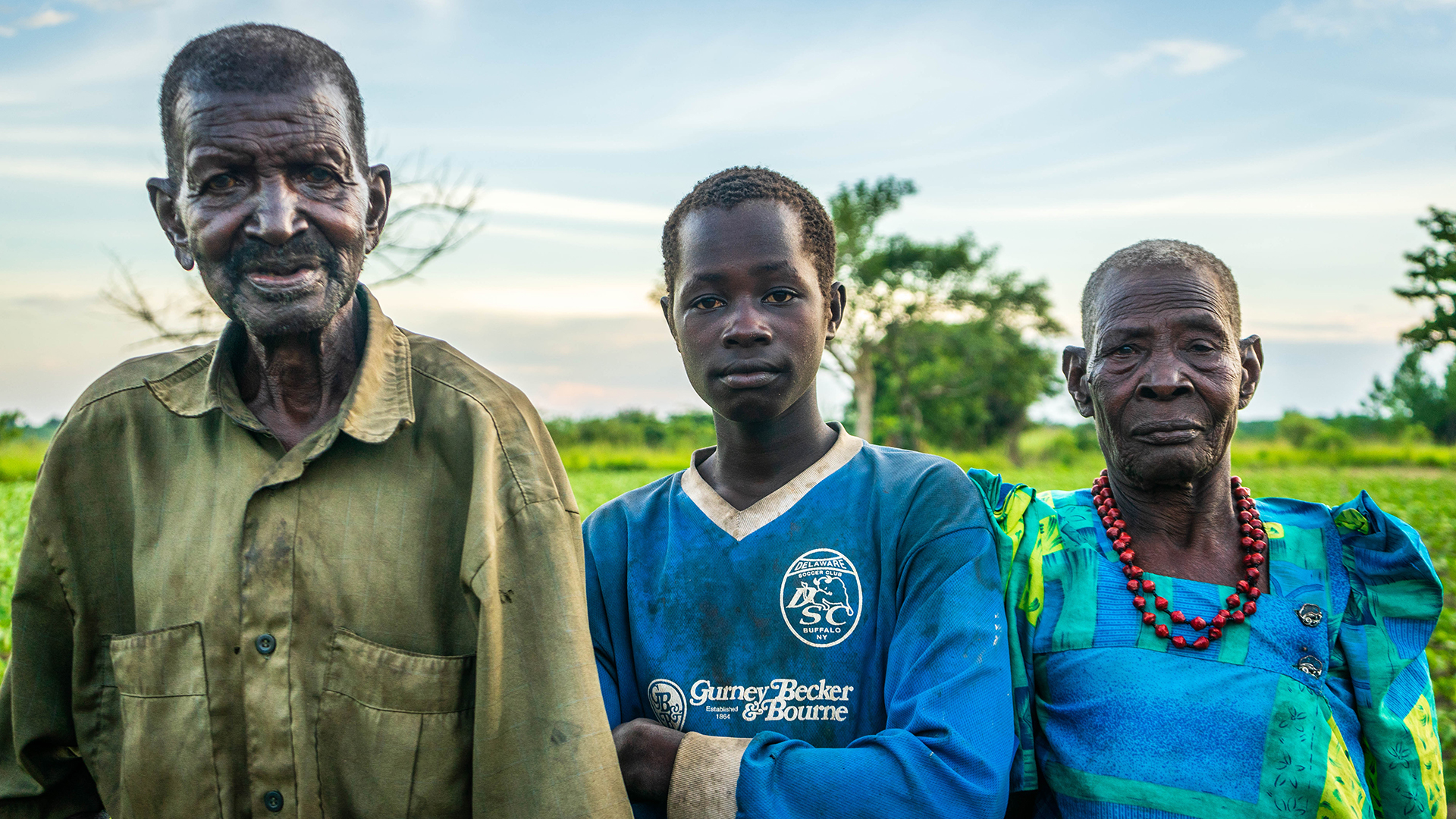
I met the children at Bigwa primary school who are brought up by their grandparents, having lost their parents to AIDS. They have dreams of becoming doctors, lawyers prime minsters and sung of education being the key to life.
I visited Mama Amina who, at 76, is bringing up 11 grandchildren in shocking conditions with no income. Her plot of land is far away and she finds it difficult to farm now. The children gather stones to sell to other families building houses. This is their income.
As I start to type this report, the radio is blaring out information on the current situation of Typhoon Parma. The information is that the storm is making landfall over Luzon which is the province in the north of Philippines.
There is a better preparedness this time with the local government agencies evacuating people from flood prone areas to public buildings such as schools, for shelter.
It rained most of the night in Manila but the rain was moderate. I’m staying in a hotel close to COSE office. This is on an elevated area and does not flood as much. The rain this morning is not heavy. However the information we have from the low lying areas is that some places had waist deep water.
We all are hoping and praying that the flood level will not increase otherwise this time the situation will get worse. All the garbage that is sitting outside most of the houses will float around and bring much more misery and hardship to the affected people.
I am out in Manila in the Philippines, working with our partner COSE to bring urgently needed assistance to those affected by the devastating floods.
We went out to five flood affected locations in Manila to distribute food and other basic essential items. The packets contained rice, candles, oil salt, clothes and mineral water.
There were so many people milling around the area and asking for food, including children and adults. Everybody is in the same situation and needs help. The situation in some of the areas we visited is heart breaking.
There is still some water on the roads but most of the houses are OK. People are busy cleaning their houses. But everything inside the houses is gone.We saw piles and piles of household items thrown outside. We were taking pictures of the piles of garbage. In some case there is 2 feet of mud inside the house. They will have to start all over again. It is going to be very hard.
Eight of the COSE staff houses were flooded up to the roof. They have also lost everything. One of them (Peng) sat on the roof of her house with her two children for seven hours before being rescued. They are emotionally devastated, yet are going out with the team for distribution. They also need support to rebuild.
A group of young men jeered when they saw the HelpAge International logo on the side of our vehicle: “Here come the old people’s organisation! We have lots of old people here – what are you going to do for them?”
Sadly, this was not the first time we had encountered this kind of cynicism. In drought-ravaged Turkana, northern Kenya, older people are often seen as a burden, beyond help or simply not a priority. “Survival of the fittest” is the order of the day in Turkana and older people are struggling to cope.
Margaret Kabango of Uganda Reach the Aged Association is in the Czech Republic, to get older people’s voices heard at a conference on development effectiveness for civil society organisations.
Margaret will be talking to the Czech Development Agency and Sue Ryder International, about the need to include older people in international development programmes. She’s also promoting HelpAge’s call for decent work for older people.
Follow Margaret’s progress on her video blog.
Share this post using:These icons link to social bookmarking sites where readers can share and discover new web pages.
Alex Kalache, HelpAge International’s Global Ambassador reports on the Rights of Older Persons Conference in Brasilia…
I was inspired and thrilled by the recent Rights of Older Persons Conference in Brasilia. I would not need to have been born in Brazil and feel strongly about my country to feel this way. By all accounts, other participants were equally enthralled by the event. (more…)
Share this post using:These icons link to social bookmarking sites where readers can share and discover new web pages.
Over the past 25 years HelpAge International has seen at first-hand how older people contribute so much to their communities. Mediators, educators, advisors…older people play all these roles and more.