Since fighting erupted in April 2023, the country has seen repeated waves of displacement. According to the Public Health Situation Analysis released in March 2025, more than 20 million people are in need of health assistance – and around one million of them are older people. Initially restricted to Khartoum and Darfur regions, civilians are now faced with worsening armed conflict in the Kordofan region as well, and are at the risk of escalated violence, confinement and starvation.
UN figures also show that older men and women each make up about four per cent of the population living in displacement camps in Sudan, while around three per cent of older people live in refugee camps in neighbouring countries.
These percentages may seem small, but in a crisis of this scale, they translate into hundreds of thousands of older people struggling to survive in harsh and dangerous conditions.
Life inside the camps: poor conditions and few services
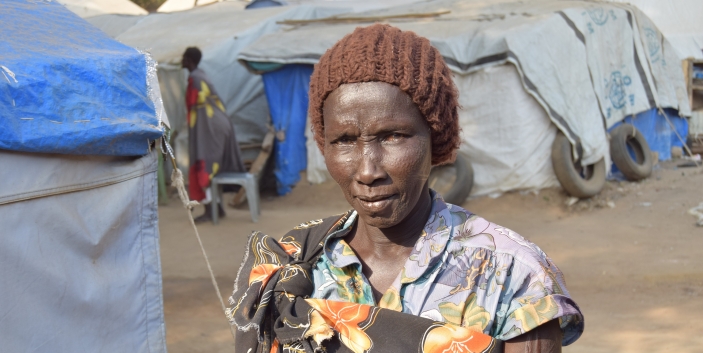
A site assessment by the Sudan Protection Cluster carried out across 37 displacement locations in two states found that older people make up about 12 per cent of the residents. Half of those surveyed described overall camp conditions as poor. The problems cut across every sector.
Protection concerns are widespread. Nearly a quarter of people surveyed said the camps do not provide safe conditions, leaving older people at particular risk. Food shortages are severe, with more than seven in 10 residents reporting limited food access. Many older people rely on others to bring them meals, something that becomes harder as families are separated and communities stretched.
Shelter conditions are equally alarming. Sixty‑two per cent of people live without any form of shelter, and most have never received a shelter kit. Water and sanitation are dangerously inadequate: 73 per cent said conditions were dire, and nearly half the households reported not having enough clean water.
Healthcare is also collapsing. With facilities damaged or closed and medicines hard to obtain, 61 per cent of respondents were unable to access appropriate healthcare. For older people living with diabetes, heart disease or limited mobility, this situation is particularly life‑threatening.
New waves of displacement bring new hardship
The crisis deepened in late 2025, when the United Nations warned that more than 21 million people in Sudan were facing acute food shortages. Famine was confirmed in El Fasher and Kadugli, two cities cut off from aid. Large numbers of older people were among those forced to flee.
In North Darfur’s Tawila locality, around 900 families – many accompanied by older relatives – arrived after walking more than 50 kilometres to escape violence. New arrivals are still coming in, exhausted, hungry and malnourished. With no shelter, no sanitation and almost no food, the newly displaced are living in the open as hunger and disease spread.
Reports also describe older people arriving with nothing but the clothes they wore. One older woman told journalists she escaped shelling and drone attacks only to be robbed of everything on the way, arriving barefoot at the camp.
Invisible and overlooked in the humanitarian response
Despite their clear needs, older people remain one of the least supported groups. Human rights monitors report that they are often left out of aid programmes, especially those in remote areas. Many struggle to flee explosions or attacks due to limited mobility, making it harder for them to reach food distributions or clinics.
A social researcher quoted in the report said older people in camps frequently feel forgotten by authorities, aid workers and even by family members who are overwhelmed by their own needs. She described social isolation as one of the most painful parts of ageing during war, where losing friends and roles in the community leads to deep loneliness.
Studies from Sudan show that older people face high rates of depression and post‑traumatic stress. With health centres destroyed and medicines in short supply, even those with manageable conditions such as hypertension or diabetes are at grave risk. In several parts of Darfur, dozens of older people are among those who have died of hunger in recent months after armed groups blocked food deliveries.
Recommendations
Older people cannot remain overlooked. We urge all humanitarian organisations to:
- Put those most at risk at the centre of every response. In Sudan’s crisis, older people’s safety and dignity must guide every decision.
- Shape programmes that truly reflect the realities older people face in Sudan, ensuring they can reach essential services, secure income where possible, stay protected and receive information in ways that are accessible to them.
- Build the confidence and capability of staff so they understand the particular risks older people and people with disabilities face in protracted conflict and displacement.
- Bring older people and their local associations into every stage of humanitarian planning and delivery.
- Actively identify and remove the barriers that prevent older people from getting the support they need, whether linked to mobility, cost, discrimination or lack of documentation.
- Strengthen decision‑making with reliable data. Collect, analyse, use and report on information that reflects age, gender and disability so that responses are informed by the realities older people face, not by assumptions.
Without these changes, the crisis facing Sudan’s older generation will only deepen, leaving many to endure the conflict with little support and even less hope.