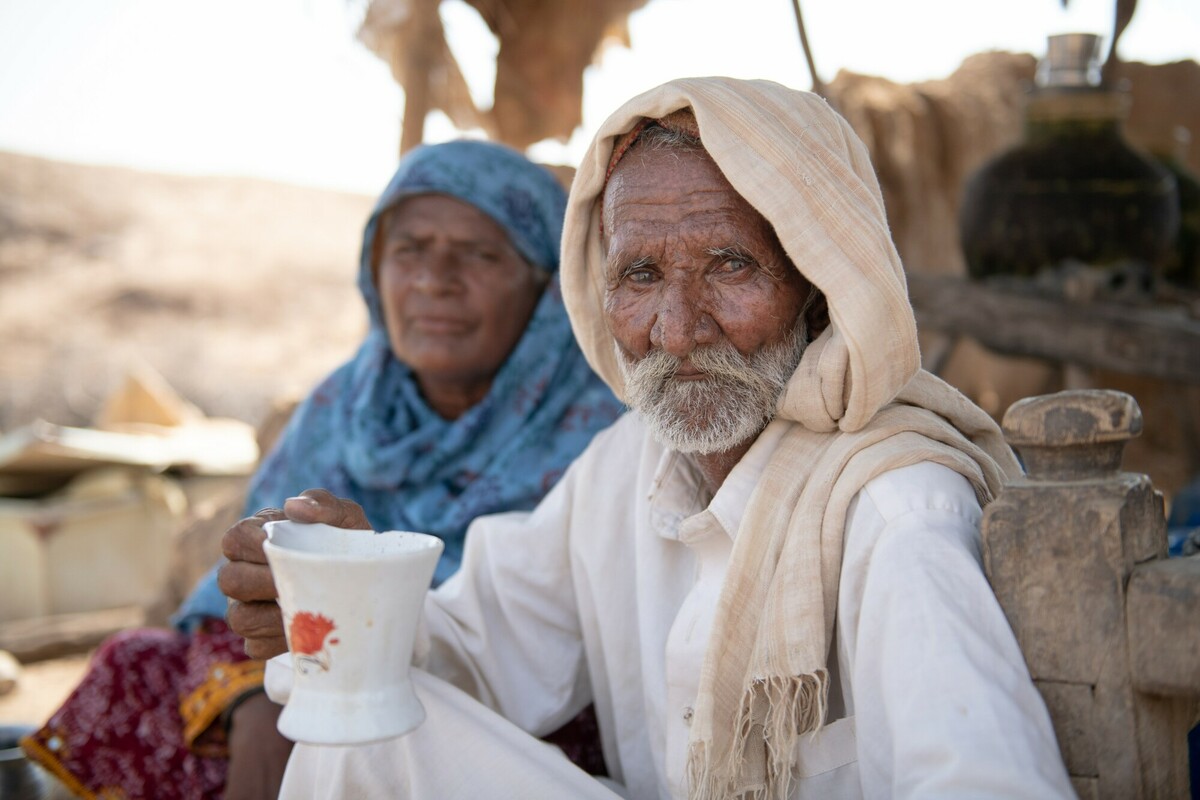
This image shows an older man and woman in the desert in Pakistan. The woman is wearing a blue head scarf, the man is holding a cup in his hand, and they both are looking at the camera in a serious way.

Strengthening age-inclusive humanitarian response: understanding SHAPE

Published

What is SHAPE and why does it matter? 

When disaster strikes, local organisations are often the first to respond. But do they have the right systems, skills, and confidence to lead effectively? And just how efficient, effective, and inclusive are these capabilities? These are the questions SHAPE seeks to answer. 

SHAPE stands for strategic humanitarian assessment and participatory empowerment. It was first developed under the Start Network’s Shifting the Power programme in 2015, which aimed to give local actors a stronger role in humanitarian response. HelpAge adopted SHAPE and made it age-inclusive – because older people and other at-risk groups should not only be considered, but they should also be fully involved in planning and response. 

The purpose is clear: strengthen local organisations so they can act quickly and effectively in crises, ensuring no one is left behind. 
How SHAPE supports HelpAge’s mission 

HelpAge International works to protect the rights and dignity of older people worldwide. SHAPE helps us do this by guiding network members to assess their readiness for emergencies and strengthen their capacity. It focuses on three key areas: 

  • Governance and leadership – strong leadership, clear strategies, and skilled teams. 
  • Influence – building and enhancing relationships and ensuring older voices are heard. 
  • Preparedness and response – being ready to act in ways that are effective, inclusive, and informed by communities. 

These areas provide a practical roadmap for organisations to move from intention to action. 


SHAPE in action: how does it work? 

The SHAPE process begins with a self-assessment. Organisations identify their strengths and gaps, then prioritise what they want to improve. Together with HelpAge, they create a two-year plan. This plan is supported by funding that can be used for a wide range of improvements such as upgrading systems, revising strategies, improving policies, or hiring expert coaches. 

But SHAPE is more than funding. It’s about partnership. HelpAge works alongside organisations throughout the journey – helping draft plans, reviewing systems, facilitating training, and providing guidance when needed. Change takes time, so flexibility is built in. If emergencies arise, plans can be adjusted, timelines extended, and budgets reallocated. 

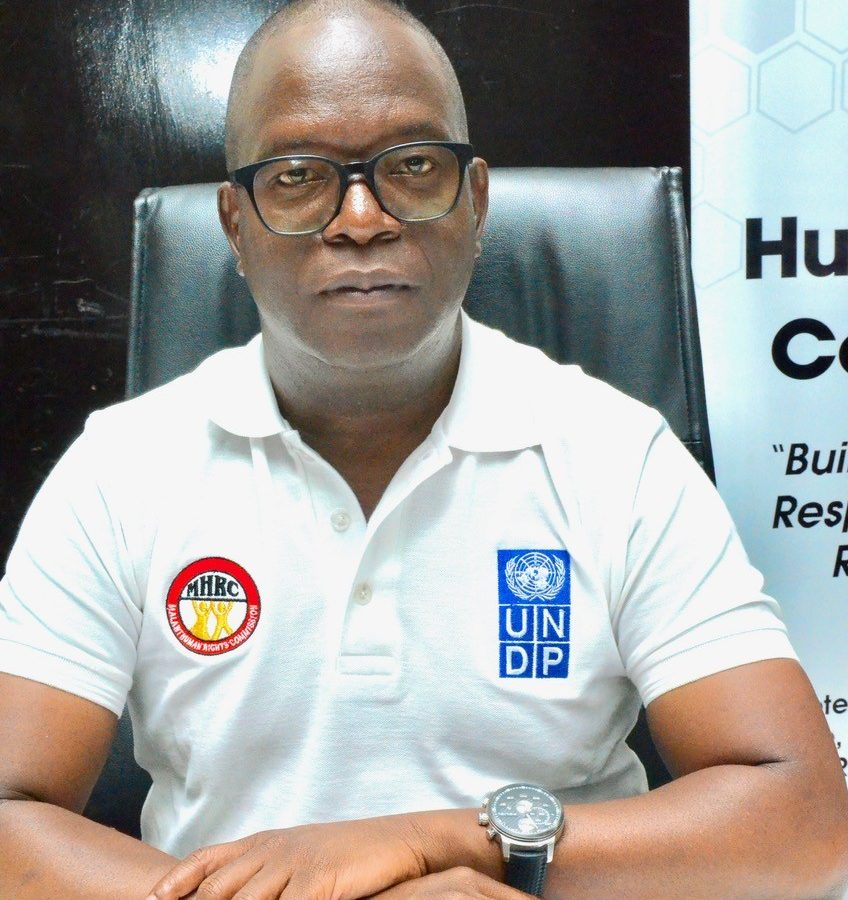
The UN World Food Programme’s approval of our Lean Season Response proposal is a milestone for MANEPO, and it is directly linked to the technical strengthening we’ve gained through the SHAPE project. SHAPE helped us align our strategic plan with the Core Humanitarian Standards, train our staff in humanitarian quality standards, emergency response and preparedness, and tighten our finance and procurement manuals so they’re robust and flexible for urgent relief. The approaches SHAPE instilled have already delivered results: we are the only national NGO approved in this round, and we’re now ready to recruit 40 people to deliver at speed for the communities we serve.

Andrew Kavala, CEO, MANEPO Malawi

Adapting to different contexts 

Every country faces different challenges. SHAPE is designed to be flexible so that each organisation can tailor its approach. Whether it’s responding to floods in one region or preparing for conflict in another, the framework adapts to local realities while keeping older people at the centre. 


Measuring progress and impact 

HelpAge has developed a monitoring and evaluation toolkit for SHAPE. This helps organisations track progress – not just short-term changes, but long-term impact on communities and older people. It’s about understanding what works and building on it. 


Beyond SHAPE: learning and sharing 

Capacity strengthening doesn’t stop with organisational change. HelpAge invests in learning opportunities through the Kaya platform, offering e-courses on age inclusion and humanitarian skills. We also run live online sessions and regional workshops on topics such as emergency preparedness, needs assessment, and age-inclusive coordination. Each workshop ends with a simulation exercise, giving participants the chance to apply what they’ve learned in practice. 


Why SHAPE matters 

Humanitarian crises are becoming more frequent and complex. Local organisations are often first to respond, but they need the right tools and support. SHAPE helps them strengthen that capacity – so responses are faster, more inclusive, and more effective. For older people and other vulnerable groups, this can mean the difference between being overlooked and being protected. 


Responding to global humanitarian crises

Explore our work here.