Older people at the centre of the response
Older people are often disproportionately affected in emergencies. Many live with chronic health conditions, disabilities or reduced mobility, making it harder to flee danger, queue for aid or access essential services. In Myanmar, these risks were compounded by ongoing instability and weakened health and social protection systems.
Recognising this, AGE Myanmar moved quickly to deliver an older people-centred response to the earthquake. They worked closely with communities, volunteers and local authorities, identifying older people most at risk and designing assistance that was accessible, appropriate and respectful.
Assessments carried out by AGE Myanmar highlighted critical gaps in shelter, water, sanitation, healthcare and social support for older people, particularly those living alone or with disabilities. These findings shaped a response that went beyond short‑term relief to address longer‑term recovery needs.
Inclusion, dignity and accessibility
AGE Myanmar’s response has been guided by a strong commitment to inclusion. They designed distributions to be accessible for people with limited mobility, while they also disaggregated data by age, gender and disability to ensure no one was overlooked.
They also trained volunteers to support older people respectfully and provided additional assistance where needed. They shared dental health and psychosocial support messages, recognising the trauma many older people experienced after losing homes, family members and a sense of safety.
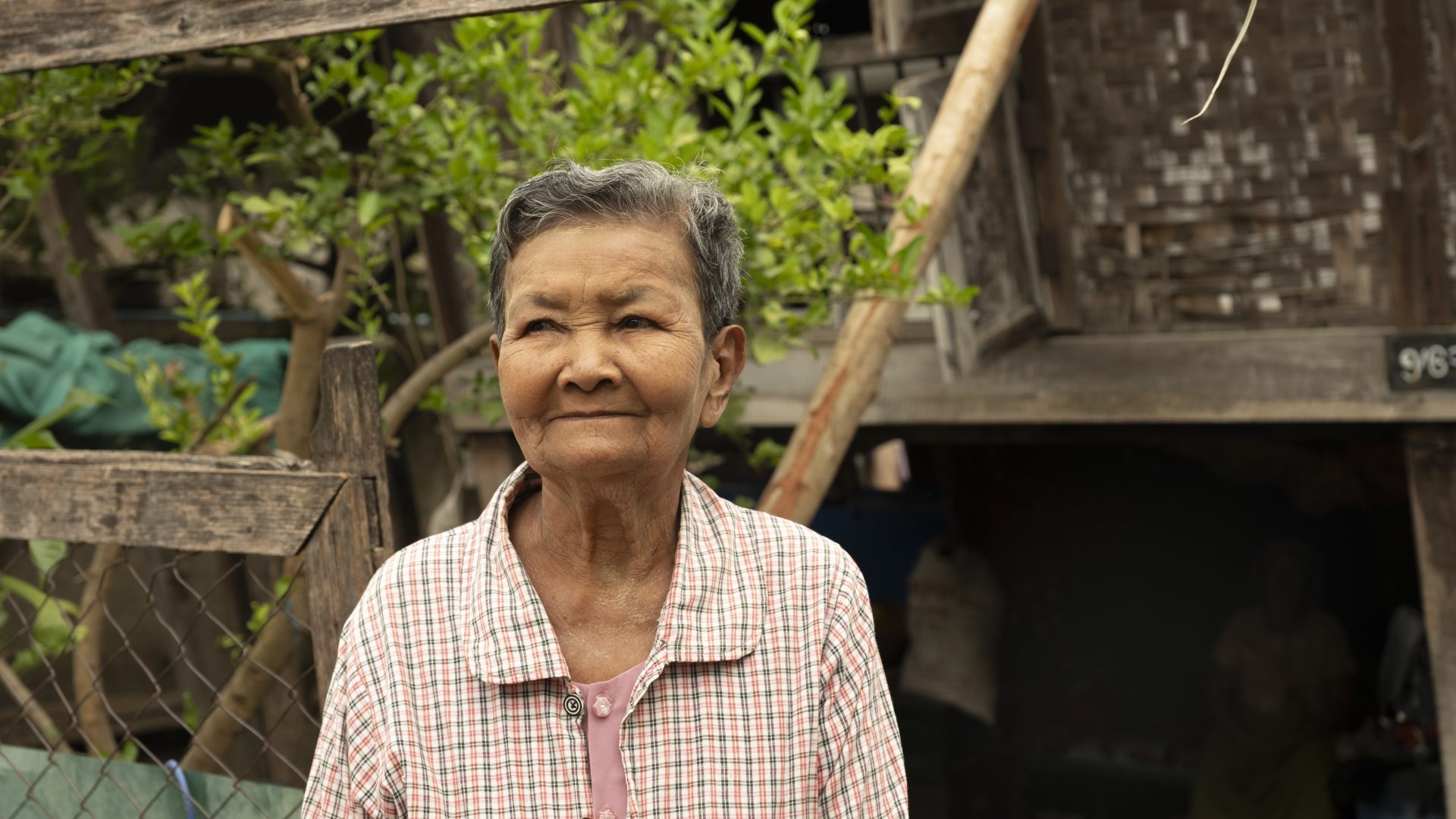
Crucially, they did not treat older people as recipients of aid, but as active members of their communities – caregivers, leaders and sources of resilience whose voices matter in recovery planning.
Looking beyond the emergency
One year on, humanitarian needs in Myanmar remain high. Many older people are still living in unsafe or temporary accommodation, with limited access to healthcare, income or social support.
AGE Myanmar continues to advocate for older people’s inclusion in recovery and reconstruction efforts, working with partners to ensure that future responses – whether to earthquakes, floods or other shocks – are age‑inclusive by design.
As Myanmar continues its long and difficult recovery, the work of AGE Myanmar shows what is possible when older people are placed at the centre of humanitarian action: not as an afterthought, but as individuals with rights, needs and vital contributions to make.
On this anniversary, we remember what was lost and reaffirm our commitment to standing with older people in Myanmar, today and in the years to come.