Displacement and shelter: instability that undermines survival
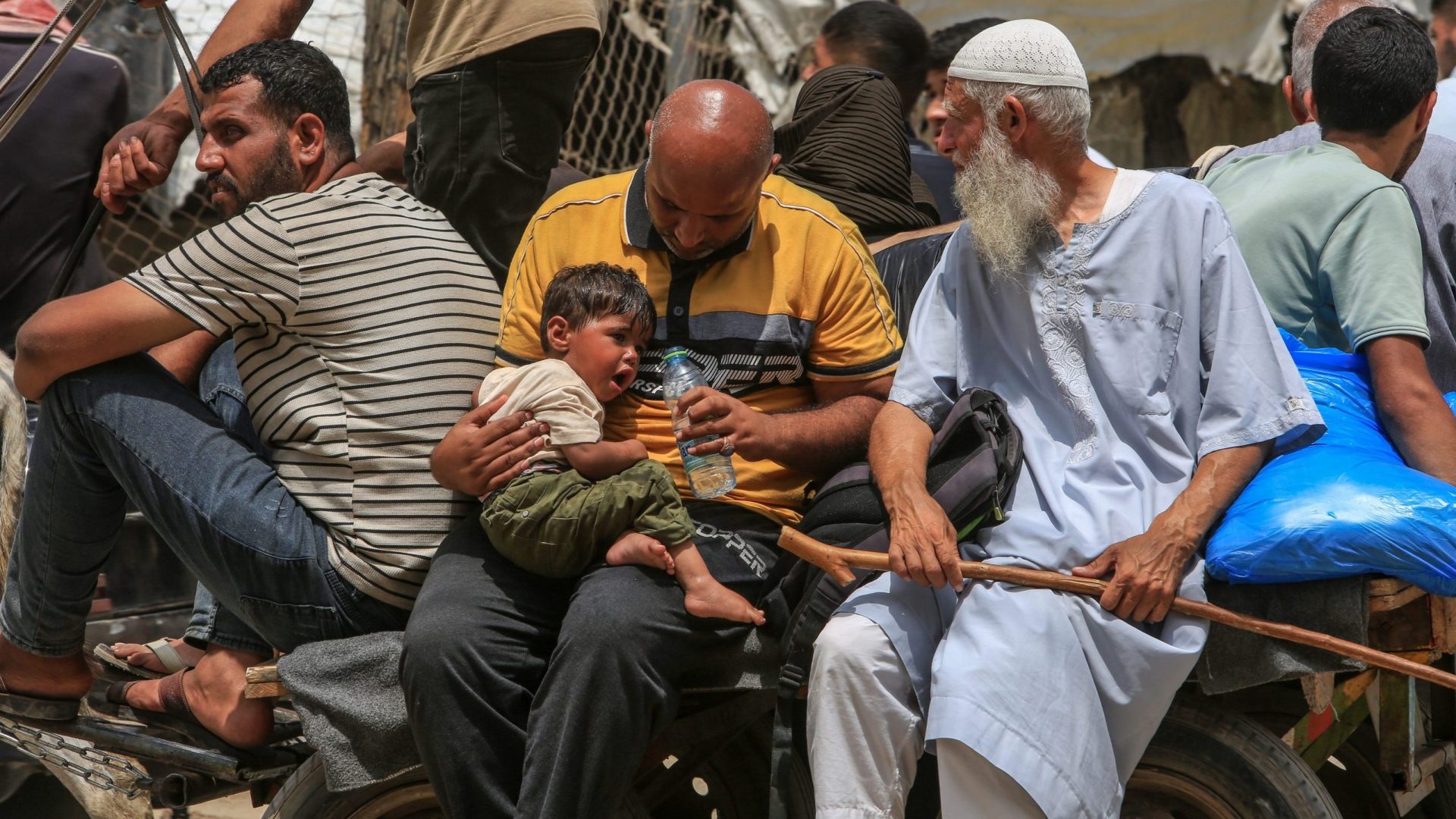
One of the clearest findings is the sheer scale of displacement. Eighty per cent of the older people surveyed have been displaced three or more times since the conflict started. Many have had to move while coping with mobility difficulties, illness, or the loss of family members who previously provided support.
Today, more than three quarters of older people surveyed are living in tents, frequently overcrowded, unsafe, and unsuitable for people with limited mobility or chronic illness. Eighty-four per cent of respondents said their shelter conditions harmed their privacy, health, and wellbeing. Constant uprooting and unstable living conditions are especially dangerous for older people, who rely heavily on continuity of care, stable routines, and access to medication to manage chronic disease.
Living with disability and reduced functioning
The study shows that most older people live with functional difficulties, including mobility challenges, sight or hearing impairments, or difficulty with self‑care. These challenges make it far harder to access food, water, humanitarian assistance, toilets, and health services.
Additionally, many older people face significant barriers to eating well, which directly impacts their nutritional intake. More than one‑third reported major difficulties chewing or said they could not chew food at all, while nearly two‑thirds said they struggled to cook or prepare meals. In a context where available foods are often limited or require cooking fuel, these barriers restrict older people’s ability to eat safely and adequately.
A severe food crisis with life‑threatening consequences
Food insecurity is deepening across Gaza and the impact on older people is alarming:
- One in ten older people surveyed often go without food entirely, including having eaten no meals in the 24 hours before the survey.
- A quarter had gone a full day and night without food in the previous week.
- Nearly half said they had reduced their own food intake or given their food to others.
Dietary diversity has collapsed. Most older people rely on basic staples, with extremely limited access to vegetables, fruit, or animal‑based foods. Many have not eaten meat, fish, eggs, milk, or dairy even once in the previous week. These patterns place older people at serious risk of nutritional decline, especially for those who require soft, easily digestible foods.
The barriers to getting food are extensive – high prices, lack of fuel, limited water and mobility constraints all restrict older people’s ability to obtain food. Crowded distributions and long queues pose additional risks.
Food may be entering Gaza in larger quantities since the ceasefire, but for older people – especially those with disabilities – availability does not mean access.
Nutrition: an immediate emergency
Older people in Gaza are likely experiencing significant nutritional stress. Many respondents said they are reducing portion sizes, skipping meals, or going entire days without eating, and a notable proportion show signs of underlying medical or nutritional strain, including bilateral oedema (swelling of the legs and feet due to excess fluid). These findings point to a population already in a fragile state and struggling to meet basic nutritional needs.
Older people are not getting enough food and may be deteriorating in ways that are not be immediately visible. Their nutritional situation requires urgent attention within an already severely constrained humanitarian response.
Health and medicines: dangerous gaps in essential care
Access to healthcare and medication in Gaza has collapsed. Almost 70 per cent of older people surveyed do not have reliable access to essential medicines, and nearly one in ten cannot access them at all. More than two‑thirds had to reduce or stop taking their medicines in the past month due to shortages.
Older people globally live with a heavy burden of chronic illness, including hypertension, diabetes, heart disease, and osteoporosis. Interruptions in treatment can quickly lead to life‑threatening complications.
In Gaza, damaged, understaffed or unreachable health facilities, combined with severely limited diagnostic services, mean older people are losing access to the essential care they need to survive.
Humanitarian assistance: inconsistent, inaccessible, and not age‑appropriate
Humanitarian assistance in Gaza is operating under severe constraints. Within these limits, less than half of older people surveyed reported receiving aid. Local actors – who bear much of the response – are overstretched and under‑resourced, making it difficult to meet diverse needs, particularly for those with mobility challenges, chronic illness or specific dietary requirements.
Long waits, unsafe access routes, and distributions that are not always suitable for people with reduced mobility mean older people often face greater barriers than others. Food packages do not reliably include soft or easy‑to‑chew items, and water, sanitation, and hygiene facilities are rarely accessible. These challenges reflect the wider operational limitations in Gaza but leave older people at heightened risk of going without essential support.
Older people cannot remain invisible in Gaza’s humanitarian response
Older people in Gaza face intersecting nutritional, medical, functional, and protection‑related risks that are rapidly eroding their health and dignity. Although the humanitarian response is operating under extreme limitations, older people’s needs are still not systematically reflected in planning or surveillance. Their inclusion is essential, even within these exceptional constraints.
After all, a system that does not see older people cannot protect them.