A different CSW, in a more difficult global context
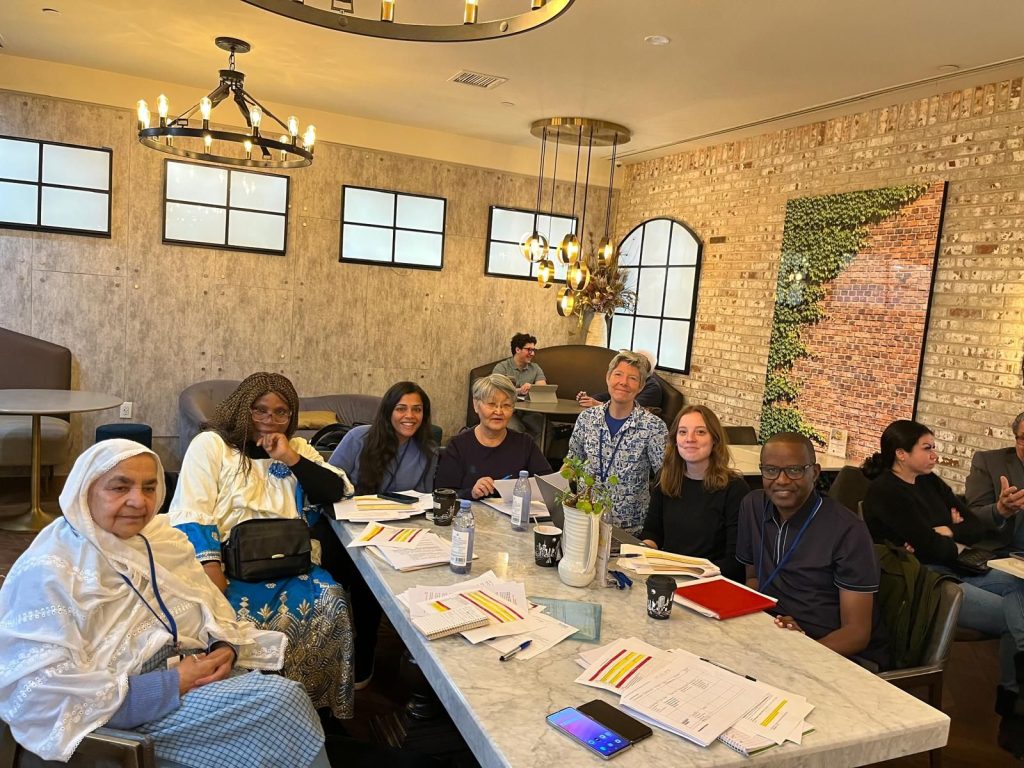
Even within this context, the recognition of older women on this global stage felt like real and meaningful progress. HelpAge’s delegation reflected the very change we are pushing for. We were joined by inspiring older women advocates from Cameroon, Mongolia and Pakistan, alongside members of the HelpAge global network from Rwanda, Singapore, the UK and the USA.
What stood out most to me was how strongly lived experience shaped every conversation we were part of. These weren’t just abstract policy discussions we were engaging audiences with; our work was grounded in real stories, real experiences, real barriers, and real solutions.
Lived experience at the centre of advocacy
Crucially, these stories were shared by older women themselves. One of the most powerful moments for me was seeing older women take the stage across different events and spaces.
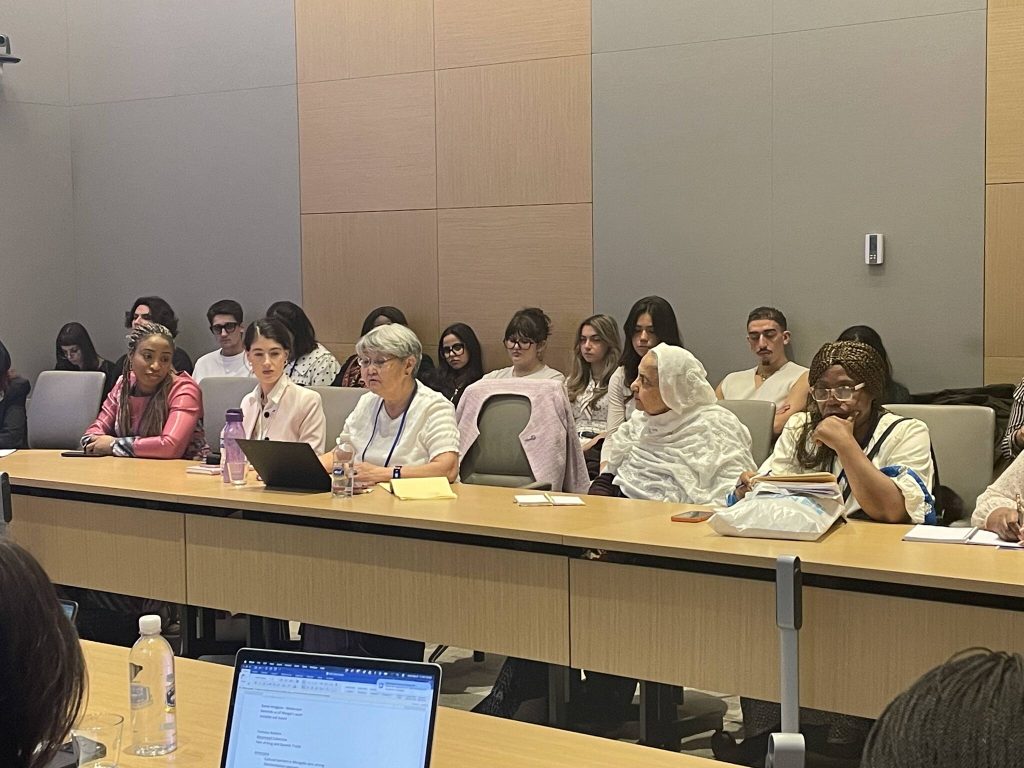
Paulette Metang, from Cameroon, spoke at UN Women’s Youth Forum – a space not traditionally associated with older voices – bringing an essential intergenerational perspective on access to justice across the life-course. Maryam Bibi, from Pakistan, shared deeply personal and difficult realities of violence, abuse and neglect faced by older women, reminding everyone in the room that these issues do not end at a certain age. Amarsanaa Dariusen, from Mongolia, spoke with clarity and determination about both the barriers older women face and the solutions that could be within reach.
When older women took the stage
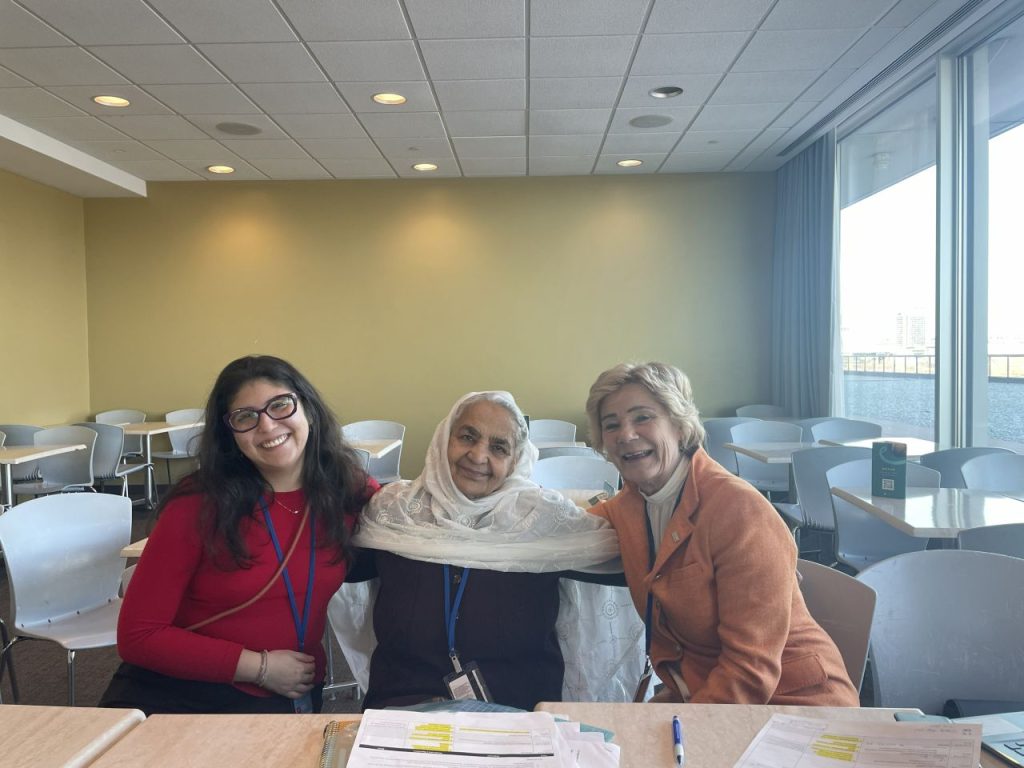
Beyond the panels themselves, what stayed with me most was getting to know Maryam outside the formal setting. Listening to her share her story informally, just talking about her life, her work, and the passion that drives her was deeply inspiring. It reminded me why this work matters so much, and why creating space for older women to speak for themselves is absolutely essential.
Why intergenerational dialogue matters
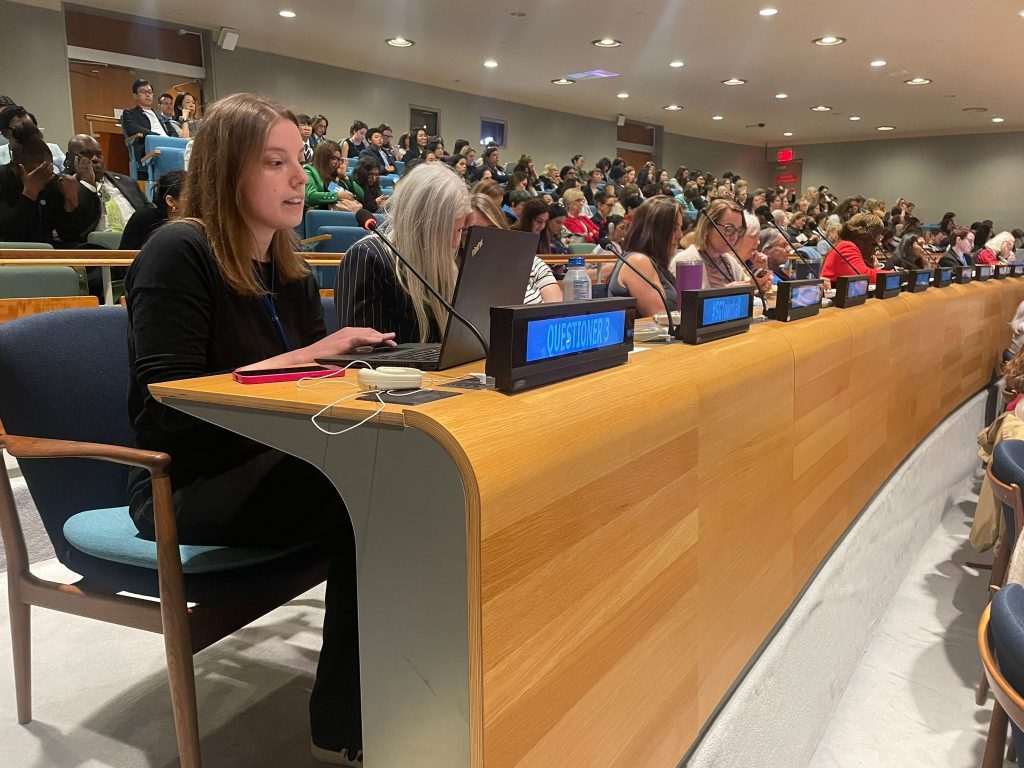
The intergenerational dialogue we co-organised with UN Women, UNFPA, and the Governments of Ireland and Sweden brought together younger and older women activists, policymakers, and legal experts. It created a rare space where perspectives could come together; experiences and gaps on either end of the age spectrum were better understood, and participants worked collectively to shape shared recommendations.
The dialogue reinforced a simple truth that true progress will happen when generations work together, not separately.
Building momentum with partners and allies
Throughout the week, we worked closely with partners and allies to ensure that older women’s voices were not just present, but central. Whether through collaboration with civil society networks, engagement with UN agencies, or broader global advocacy efforts, there was a clear sense that momentum is building towards better recognition and inclusion of older women.
I was fortunate to take part in a range of engaging conversations and panels, where there was growing acknowledgement of the structural barriers older women face – from gaps in social protection to limited access to justice systems that often overlook age-related discrimination. Discussions around economic security, health and care, and participation in decision-making felt more grounded in lived realities. It was also encouraging to see new statistical data on older women from across the globe from the World Bank strengthening these conversations.
Making the case with better data
A particular highlight was having our statement on the need for individual, disaggregated and inclusive data endorsed by the Secretary-General at his Townhall. It was a strong reminder to everyone that evidence matters.
_
This blog is written by Tanvi Patel, Gender and Inclusion Adviser at HelpAge International.
The 70th session of the Commission on the Status of Women (CSW70) took place in New York from 9-19 March.