Four countries, four stories of progress
Ethiopia: joining up homes, health extension workers, and hospitals
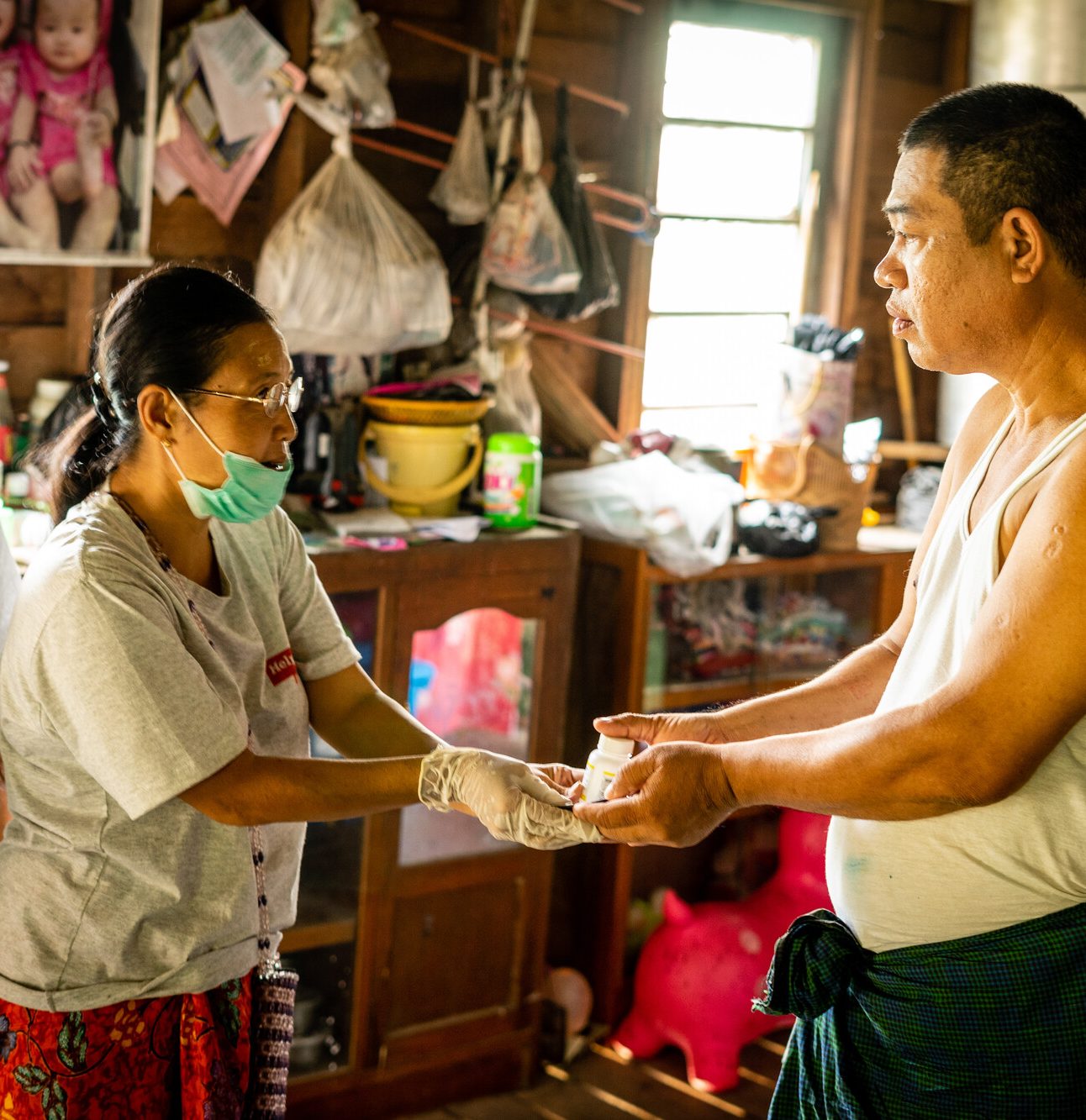
Through ALIGN, 28 health workers have taken part in training to help them better understand and support older people. They learned about how our bodies change as we age, how to spot common age‑related health issues, how to carry out a comprehensive assessment of older people, and counselling and communication.
Working through HelpAge network member TESFA, community‑based screening has helped link older people more closely with the formal health system. So far, 1,170 older people have been screened for common non‑communicable conditions such as diabetes and high blood pressure, with follow‑up checks in place. In addition, 168 people received eye tests, with clear referral pathways for those needing further care. These efforts show how community‑level screening can work hand in hand with health facilities to improve access to timely care.
Tanzania: building confidence, community and national momentum
Eighty primary health workers and 40 community health workers in Tanzania stepped forward to build new skills that help older people stay well at home, supported by HelpAge Tanzania. Confidence has grown since the project launched in 2025, with 85% of the community workers affirming that they can already apply new skills.
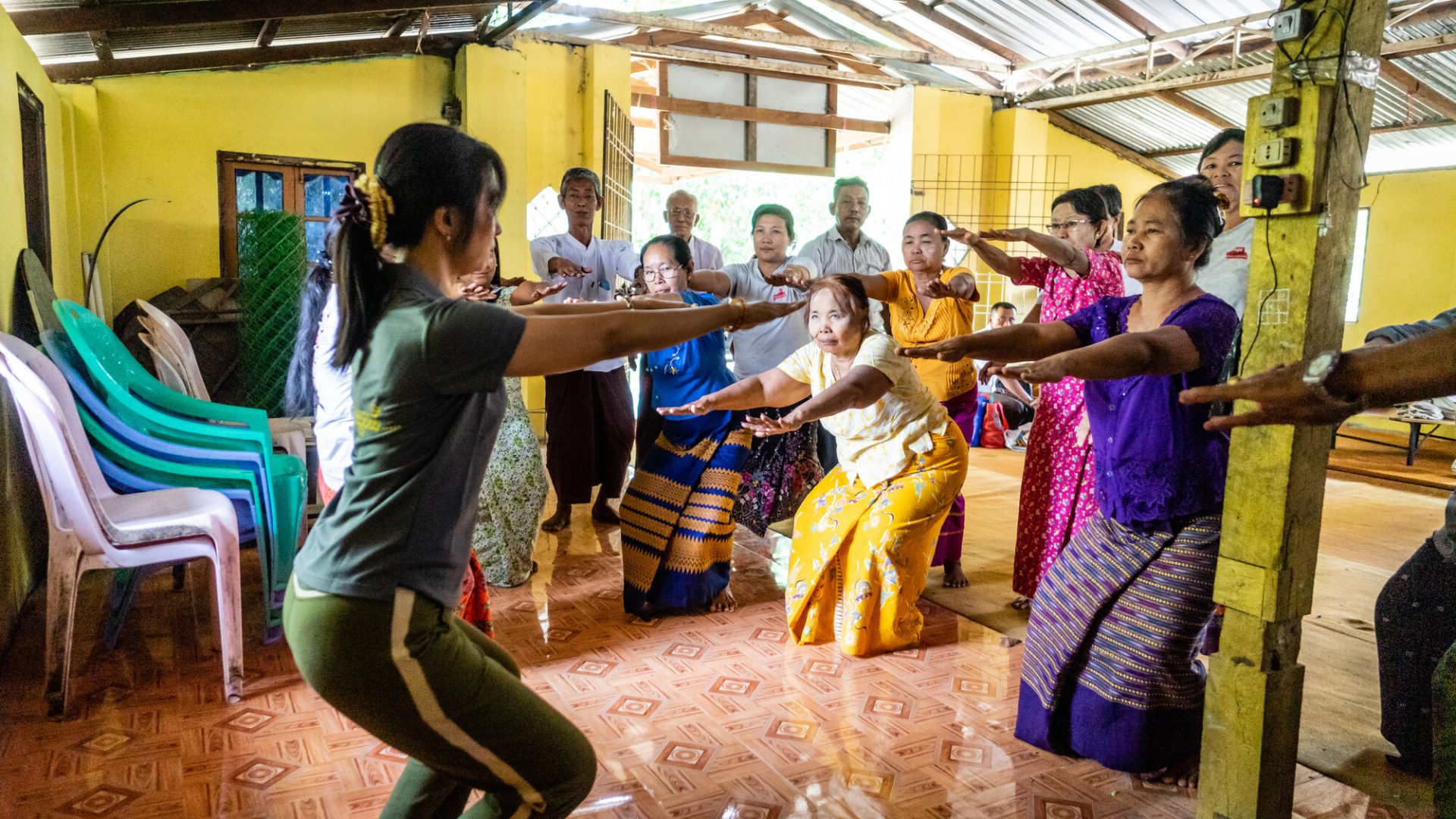
HelpAge Tanzania also mobilised 1,500 older people to join 25 Active Ageing Clubs, creating local spaces for health promotion activities including exercise, lifestyle advice, opportunities for social engagement, and peer support.
Nationally one breakthrough stood out: the government has committed to adding 17 ageing indicators to its health information system – the first time older people have been included in this way. This puts ageing firmly on the policy radar and will enable crucial data to be collected that will influence policy, investment, and the tracking of the health and wellbeing of older people.
Pakistan: preparing the ground for large‑scale community screening
FAID Pakistan launched ALIGN at national level with strong backing from government partners, the World Health Organization and Older People’s Associations. As a first step, 100 community facilitators – half of them women – were trained to support the screening of around 1,500 older people within their communities.
The screening approach is deliberately simple and practical, designed to pick up early changes in an older person’s health and daily functioning. Rather than concentrating on individual diseases, it looks at the abilities that help people remain independent, including mobility, memory, mood, nutrition, vision and hearing.
To ensure the approach could be used widely, the screening tools were translated into Urdu, removing a significant barrier for volunteers and frontline health workers. Alongside this, FAID worked closely with federal and national policymakers on Pakistan’s healthy ageing strategy, helping to extend national discussions to the provincial level so that future reforms reflect the realities of a decentralised health system.
Ukraine: building the evidence that will shape future reform
Despite the ongoing conflict, older people, caregivers, health workers and social workers participated in a large feasibility study by HelpAge in Ukraine across the Lviv and Dnipropetrovsk oblasts. A major milestone was a new Memorandum of Cooperation between HelpAge International and the National Health Service of Ukraine, signalling strong government interest and political will in preparing for healthier ageing, even during wartime.
Learning across borders
One of ALIGN’s great strengths is that countries do not work alone.
All four countries saw participating network members building new partnerships with their Ministries of Health and the World Health Organization and adapting practical tools for community‑based care. The benefit of this work is not limited to the four ALIGN country teams however. They have also been engaging with the HelpAge Healthy Ageing Platform to share what they have learned across the wider HelpAge global network of organisations. In a global webinar in November, ministries of Health in Pakistan, Tanzania, and Ethiopia shared how effective working with community organisations, including the ALIGN country teams has helped to deliver on their policy priorities.
In Tanzania, findings gathered through ALIGN have also contributed to global learning. Data collected at community level on older people’s intrinsic capacity was shared with the World Health Organization’s Clinical Consortium on Healthy Ageing, helping to strengthen the evidence base for future policy and practice.
Together, this work shows that better care can be delivered closer to home when health workers are equipped with the right skills; older people are supported to access early screening, and referral pathways are clear.
What we’re learning
- Real partnership with Ministries and WHO can help accelerate progress. Co‑design speeds up approval processes and ensures approaches fit national priorities.
- Integrated Care for Older People Approach (ICOPE) should be flexible, enabling different countries to translate tools, adapt roles and adjust workflows to match approaches with their own realities.
- When ageing data sits inside official health information systems – soon to be the case in Tanzania – it changes how countries invest in healthy ageing services.
Where challenges remain
- Many national health systems still lack ageing‑specific data.
- Referral routes need to be improved as screening is only powerful when it leads somewhere; many countries still need clearer pathways.
- Approvals, shifting roles and conflict‑related disruptions slow progress.
- Some referrals hit a dead end because of shortages of specialists like mental health practitioners or physiotherapists.
These insights will shape what ALIGN tackles next.
Why this work matters
ALIGN shows that improving care for older people does not require complicated technology or expensive reforms. Often, it requires three things:
- People with the right skills
- Systems that talk to each other
- Data that tells the real story
“When these elements come together, older people receive earlier, better and more continuous care. Countries learn from one another,” says Poppy. “And governments gain the evidence they need to take reforms to scale. Cross‑country learning reduces duplication and accelerates quality.”
ALIGN is funded by the Swedish International Development Agency (Sida) and launched in 2025.