On 18 and 19 February, the first organisational session of a new Intergovernmental Working Group (IGWG) tasked with drafting a legally binding instrument on the rights of older persons took place in Geneva. After years of debate, governments moved from asking whether older people need stronger protection to discussing how to build it.
This meeting brought country-representatives, civil society and older people together to set the direction for the work ahead. The decisions taken here will shape a global process that could change how older people are seen, heard and protected across the world.
What was discussed
The focus of this first meeting was on process. Governments discussed how the IGWG will work, who will lead it, and how the process will move forward. These may sound like technical steps, but they matter deeply. Process decides who gets a voice, whose experience counts, and whether the outcome reflects real lives or stays on paper.
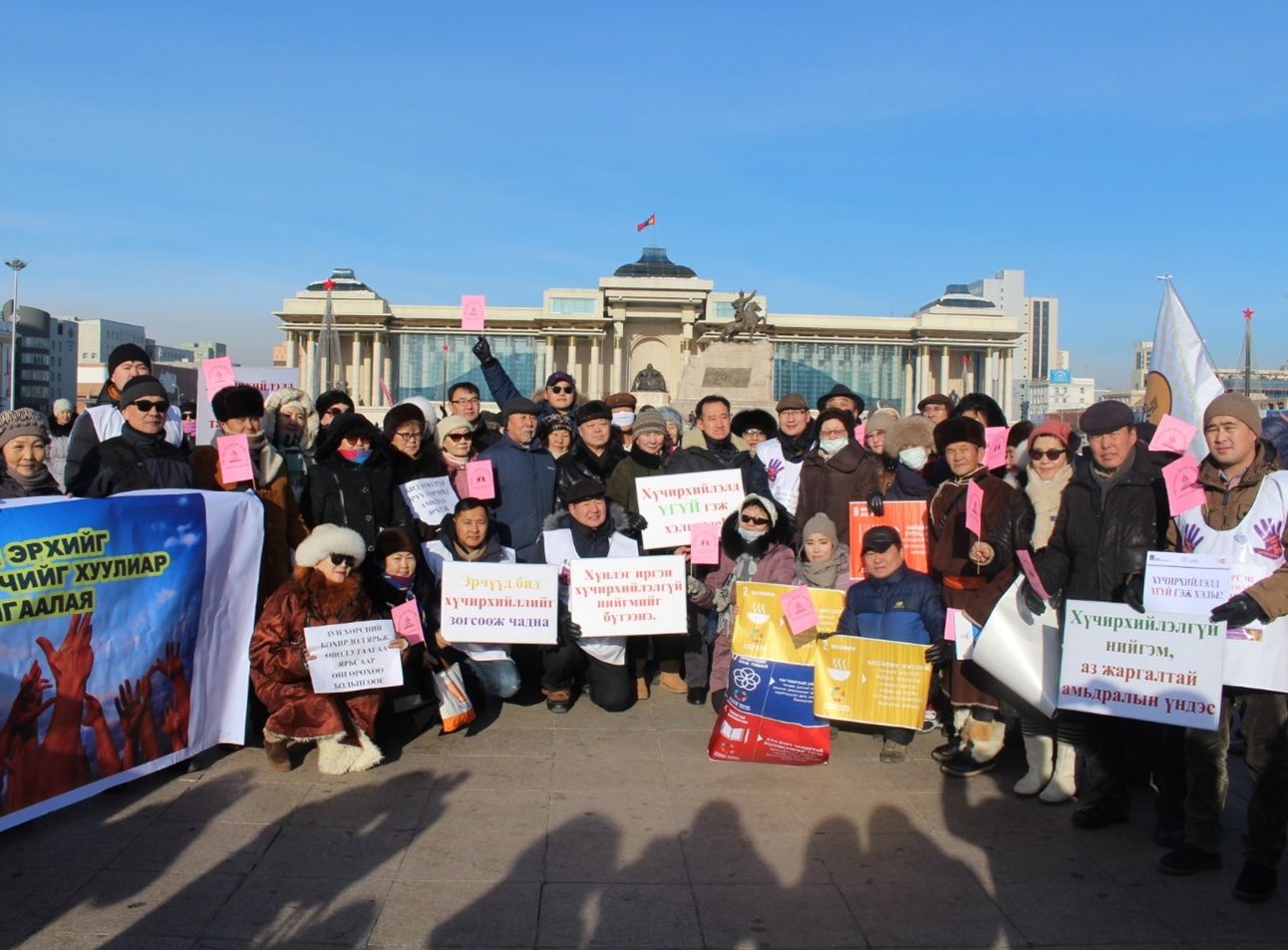
Throughout the week, one message came through clearly from civil society: older people must not be talked about without being present in the room. Their daily realities, across very different countries and contexts, need to guide every stage of this work.
This meeting marked a real shift from questioning whether older people need stronger rights to focusing on how those rights can be delivered. The process matters because it determines whose voices are heard and whose realities shape the outcome. This is the foundation for a strong treaty that truly reflects the lived realities of older people worldwide.
Tanja Venisnik, Rights Adviser at HelpAge International
Older people’s voices at the centre
HelpAge International, working closely with the Global Alliance for the Rights of Older People (GAROP), made sure that message was heard. Five older advocates from Bangladesh, Colombia, Kenya, South Africa and Rwanda took part in the meeting. They brought lived experience, not theory, into global discussions.
Their presence challenged a long‑standing pattern in international policy, where decisions about older people are often made without them. This week showed what changes when that approach is reversed. Older activists spoke directly to governments about their expectations from the drafting process and highlighted that no discussions about them and their rights should happen without them. They did not ask for charity. They spoke as rights‑holders.
Building alliances with governments
The meeting also showed growing openness among governments to listen. Ambassadors from Argentina and Slovenia joined a preparatory session with civil society, strongly supporting meaningful participation. Member States elected the Chair for the working group, Ambassador Carlos Mario Foradori from Argentina, and largely positively received strong calls for openness, transparency and clear ways for civil society to engage. These moments matter. A global agreement on older people’s rights will only be strong if it is built through trust and shared ownership between governments and those most affected.
Why HelpAge’s role matters
HelpAge has spent more than 15 years working with partners around the world to expose gaps in how older people are protected. This week was the result of that sustained effort. In Geneva, HelpAge staff, network members and partners worked together to:
Support older advocates to take part on equal footing
Coordinate civil society messages so governments heard a clear, united voice
Push for a process that is open, inclusive and grounded in lived experience
What happens next
The IGWG will now move into the next phase of its work. Future sessions in July and October this year will begin shaping the content of the treaty with the Chair of the working group sharing plans for stakeholder consultations around the conceptual basis of the Convention in the next weeks.
Success of this process will depend on three things. First, older people and their organisations must remain fully involved at every stage. Second, governments must keep the process transparent and accessible. Third, political commitment must turn words into action that improves lives.
This is not an abstract exercise. Around the world, older people face age‑based discrimination, barriers to healthcare, poverty, violence and exclusion from decisions that affect them. Closing these gaps requires clear standards and real accountability.
Looking ahead with purpose
This week in Geneva did not deliver all the answers. But it did something just as important by setting a direction. It showed that change is possible when persistence meets political will, and when older people are recognised as experts in their own lives.
A UN Convention for older people
A UN Convention on the rights of older people would help us build a solid foundation from which effective national laws can emerge.
It would ensure age discrimination is prohibited in the law, services uphold older people’s dignity, and attitudes and behaviours towards us when we’re older are more respectful.