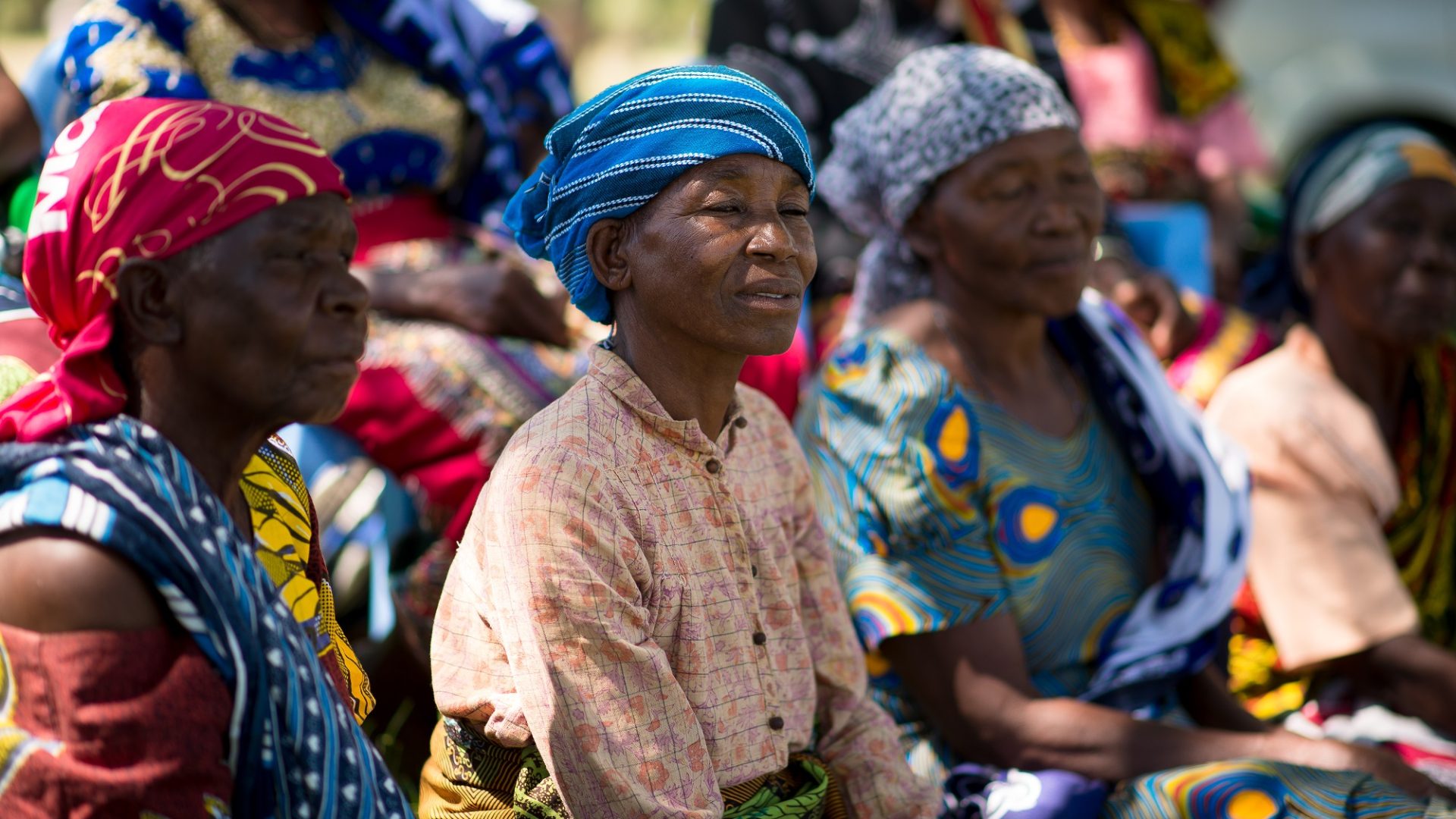
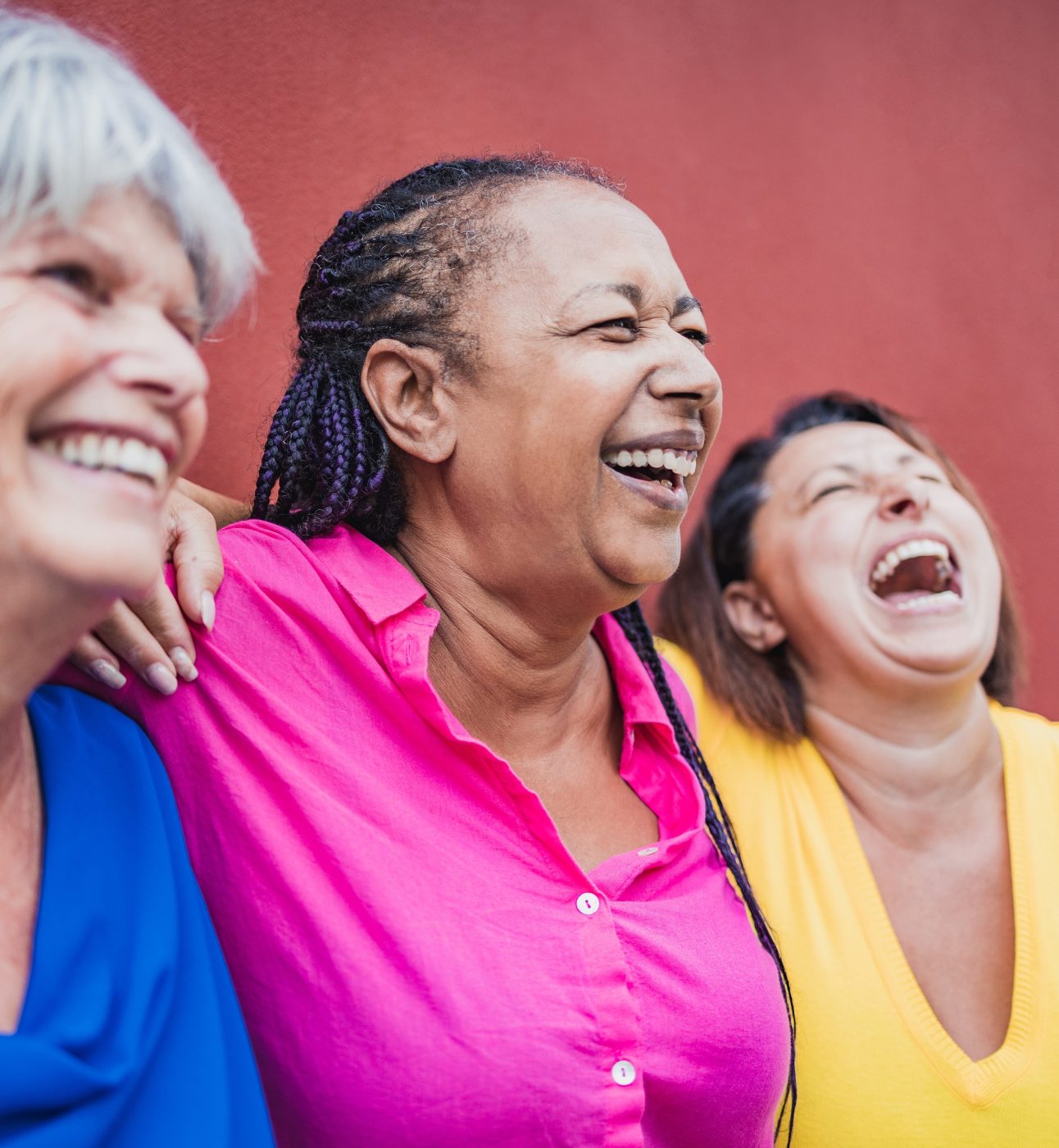
This breakthrough – the inclusion of a dedicated ministerial roundtable on older women at CSW70 – is the result of persistent, collective effort. Members of the HelpAge global network have advocated tirelessly to ensure that older women’s experiences are recognised and reflected in the CSW agenda. Crucially, older women themselves have been central to this progress, speaking out to uphold their rights and to shape a fairer future for the generations that follow them.
Why do older women matter?
Today, more than one quarter of the world’s women are over 50 years old. And by 2050, this number will rise to 35%.
Yet, when we talk about gender equality, older women are almost never mentioned. In fact, only 0.1% of aid targeting gender equality includes any reference to them.
Thirty years ago, the Beijing Declaration recognised that older women face unique challenges, from poverty and poor health to violence and discrimination. But despite promises to improve their lives, progress has been slow. Today, older women continue to be invisible in gender equality discussions, policies, and funding.
As CSW70 convenes, the inclusion of older women on the agenda marks an important opening – but it is only a starting point. The ministerial roundtable creates a rare opportunity for governments to acknowledge the gaps in current gender equality frameworks and to begin addressing how policies, data and funding can better reflect women’s lives across the life course.
Turning this moment into meaningful change will require sustained political will beyond CSW70. Governments must move from discussion to action: engaging with older women, understanding the specific barriers they face, and committing to concrete measures that promote and uphold their rights. Only then can gender equality truly mean equality for all women, at every stage of life.