World Elder Abuse Awareness Day

15 June

Marking World Elder Abuse Awareness Day (15 June), HelpAge International calls for urgent action to prevent abuse and protect the rights of older people everywhere.

Elder abuse is often rooted in ageism – harmful attitudes towards older people that can normalise abuse or make it invisible. Challenging ageism is key to prevention. When older people are respected, listened to and included, they are less likely to experience harm.

World Elder Abuse Awareness Day is a global moment to stand up for the rights of older people, recognise abuse in all its forms, and speak out against discrimination. Everyone has a role to play. By promoting dignity, respect and inclusion, we can help ensure older people can live free from abuse.

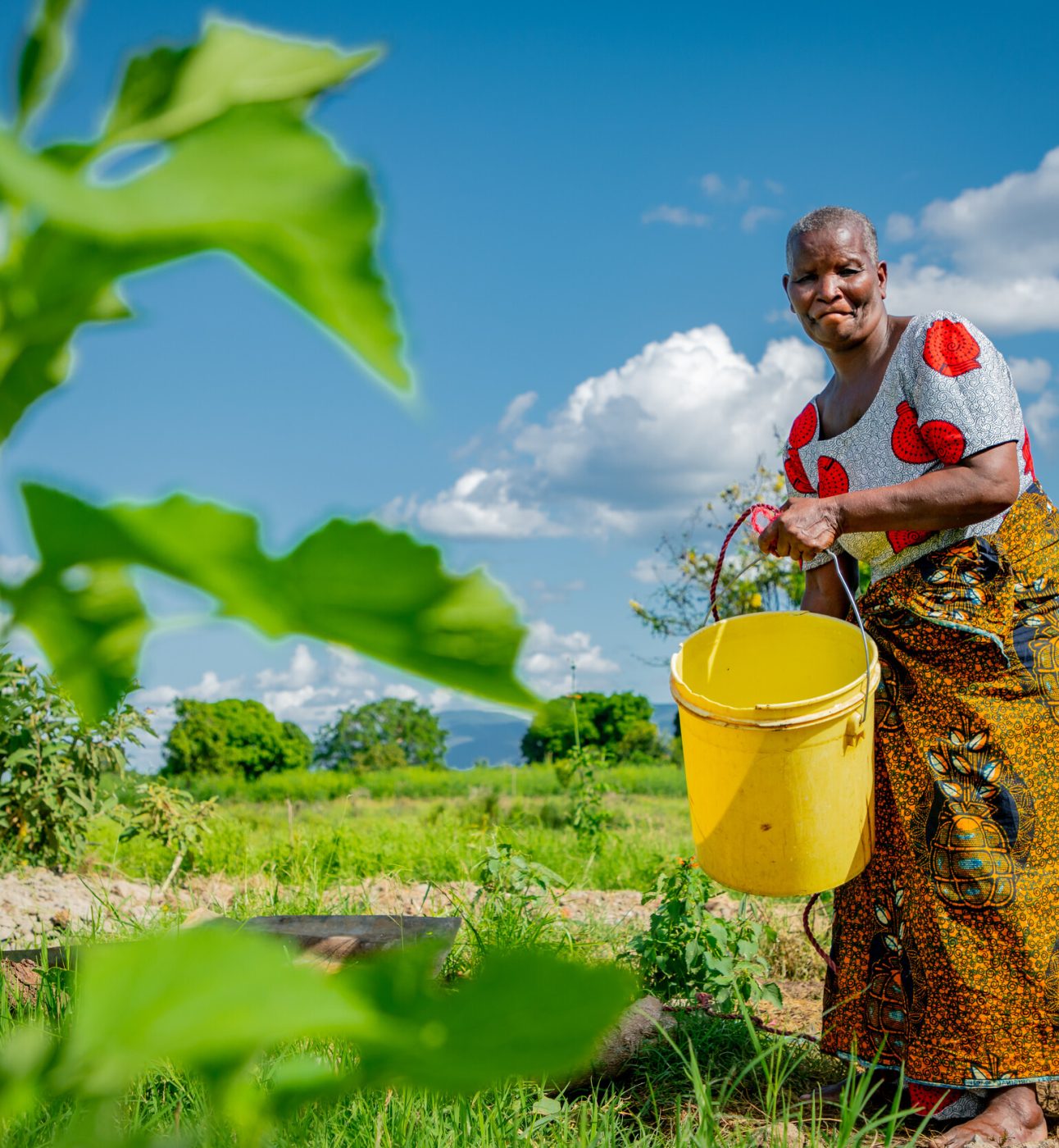
Seven simple ways to prevent elder abuse

How we treat and support older people in our lives can make a real difference to their safety and wellbeing.

Find out more

The way we perceive and portray older people plays a crucial role in shaping the environment in which elder abuse can occur.

We must do better.

Protect the rights of older people

Abuse of older people takes several forms, commonly including neglect, psychological, financial, physical and sexual abuse. These are widely recognised across research and international guidance.

Around one in six people aged 60 and over experience some form of abuse each year, making it a significant and often hidden issue.

Evidence also shows that ageism can influence how abuse is recognised, with harmful behaviours sometimes dismissed or overlooked when they affect older people.

The more we all #RefuseToAbuse, the better the chances of us being able to live in security and dignity as we grow older.

Let's make sure everyone, everywhere can exercise their right to freedom, equality and a life lived in dignity.

Challenge ageism

Register for the Asia‑Pacific Regional Conference on Population Ageing

X